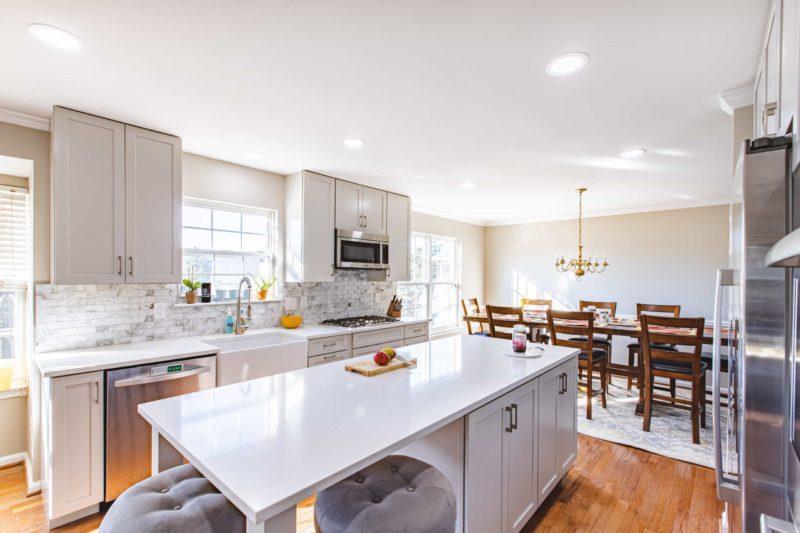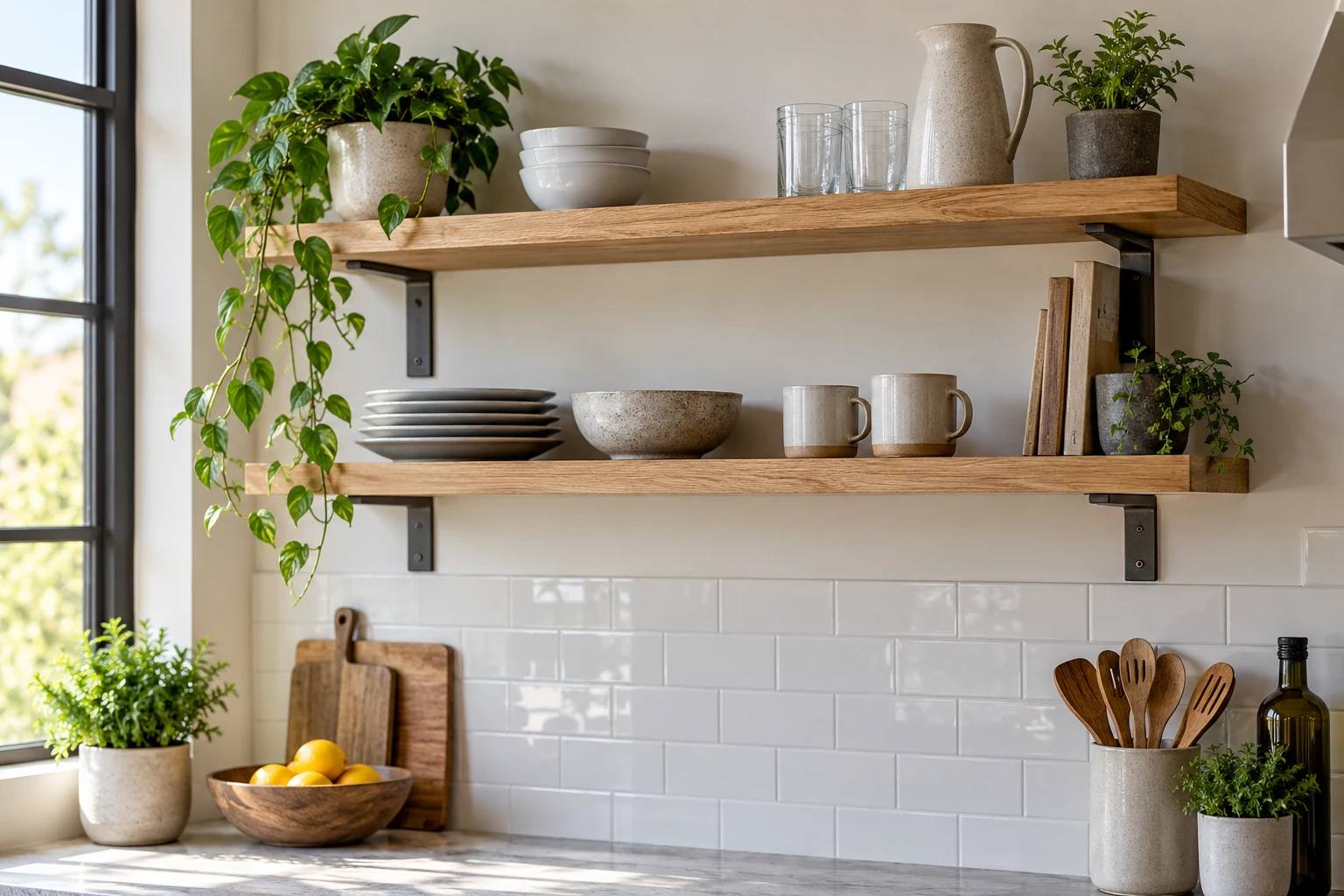
When you are ready to plan the built-in version, our cabinet storage team can measure the space and set the shelf heights.
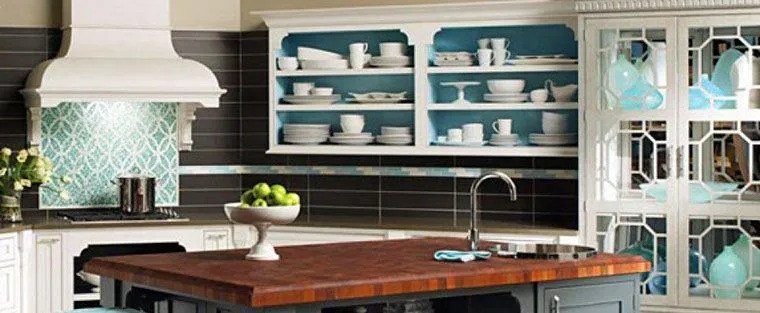
Want to Add Storage Using Vertical Space? Follow these Shelving Guidelines!
Running out of space in your kitchen or bathroom can be troublesome, especially if you’ve already gone through everything and tossed out what you don’t need. If you’re still left over with a lot of items to stow away, then it’s time to make some changes.
One option you have is to make extra storage space by adding shelves to your walls. Many homeowners overlook vertical wall space as an opportunity to better design their kitchens and bathrooms.
In this guide, we’re going to demonstrate how you can successfully implement wall shelves with the right spans and spacing.
Let’s get started!
Quick Notes to Keep in Mind
Before we begin, it’s important to consider multiple factors before going through with installing shelves. For instance, you’ll need to ensure the right material is used and the appropriate span is implemented.
There should also be sufficient vertical space between each shelf to accommodate the type of items you’ll store on them. It’s essential to set it up so that your shelves don’t buckle and sag under the weight of the items you store.
This is where the span comes into play. This determines the space between supports for the shelf. The type of material you use will determine the span limits to use. For instance, for heavy items, it’s likely you want to use short span limits so they’re closer together.
It’s also imperative that you fasten the shelf supports to your wall studs directly. Otherwise, you’ll have to use wall anchors.
Shelving Span Limits
Before adding a shelf, identify the items you plan to store and ask the supplier for a rated assembly suitable for them.
Book storage needs a support plan for the actual collection and the shelf you choose. Record what you intend to store so the installer can assess the loaded assembly.
Shelving Size Recommendations
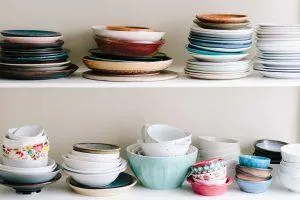
Choose plywood using its actual grade and thickness. Ask how the proposed brackets and wall fixings support the intended contents.
Check the product drawings before ordering materials. Confirm shelf depth, edge treatment and the locations of its supports.
Recommended Spans for One-by Lumber
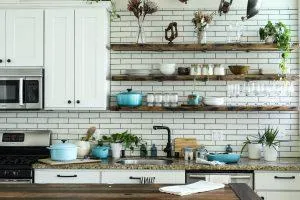
For one-by lumber, ask the installer to evaluate the actual board, support spacing and intended load instead of relying on a general span rule.
Make sure to go with select-grade lumber for your shelving. This way, there are fewer knots and flaws that can degrade your shelves.
Examine the material before installation and confirm that it matches the specification used to plan the shelf.
Recommended Spans for Two-by Lumber
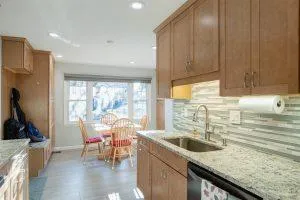
Confirm the actual dimensions and grade of lumber with the supplier. The board’s size alone does not establish the safe spacing of its supports.
These are stronger and more aesthetically appealing than what you’ll find with construction-grade material.
For two-by lumber, confirm how the shelf and its fixings will work together. A thicker board does not verify the capacity of the wall attachments.
Recommended Spans for Particleboard
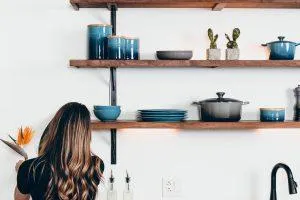
Particleboard products differ; request the manufacturer’s installation and load guidance for the exact material being purchased.
For particleboard, use specifications for the particular board and assembly. Do not assume that joining thinner pieces creates a tested load-bearing shelf.
Check how the chosen particleboard shelf will be supported and finished. Ask the installer to account for the contents and conditions in the room.
Recommended Spans for Glass Shelves

The thickness, size, and type of glass you use will determine the spans for the supports. The most widely used glass shelves are tempered and annealed.
Out of the two, tempered glass is the stronger choice. Also, when it’s shattered, it breaks into small pieces. Annealed breaks into large chunks when shattered.
It’s a good idea to consider the shelf’s weight rating to determine the span dimensions for your shelves. The supplier can give you a recommendation for safe weight.
For glass, obtain the supplier’s recommendation for the type, dimensions, edges and supports. Select a rated shelf assembly for the intended contents.
Adding Storage to Your Kitchen and Bathroom
The experts at GBC Kitchen and Bath can assist you with remodeling your kitchen and bathroom with more space. There are different ways you can use your vertical wall space. For instance, you can opt for shelves or you can go with beautiful cabinetry.
You can visit our local showroom to look at our cabinets from leading industry brands. We can also give you a 3D design for your kitchen or bath to demonstrate how the upgrade will look.
If this is something you’re interested in, then don’t hesitate to give us a call for your free estimate!
Further reading
For cabinet construction, consult the Kitchen Cabinet Manufacturers Association. The shelf reference provides general background; use the actual manufacturer’s specifications for installation and load ratings.
Ready to start your project?
Free consultations, no obligation, and design experts at four DMV showrooms.
Get a free estimate