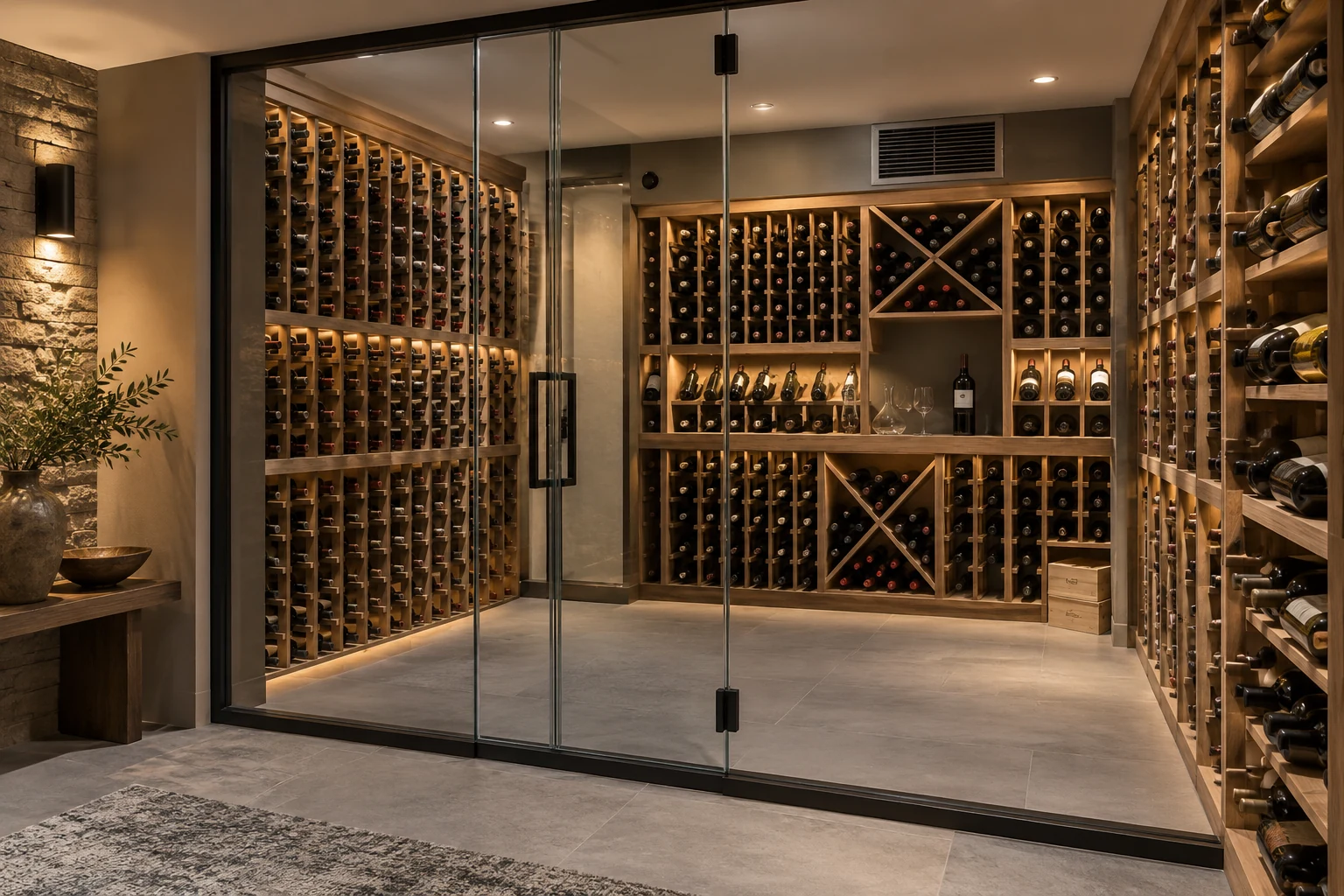
Plan a basement wine cellar around the collection, storage arrangement and existing room conditions. Have the proposed enclosure and equipment assessed before adopting a generic humidity range or assuming any basement room is suitable. Discuss the proposed basement remodel.
Describe the collection and storage goals
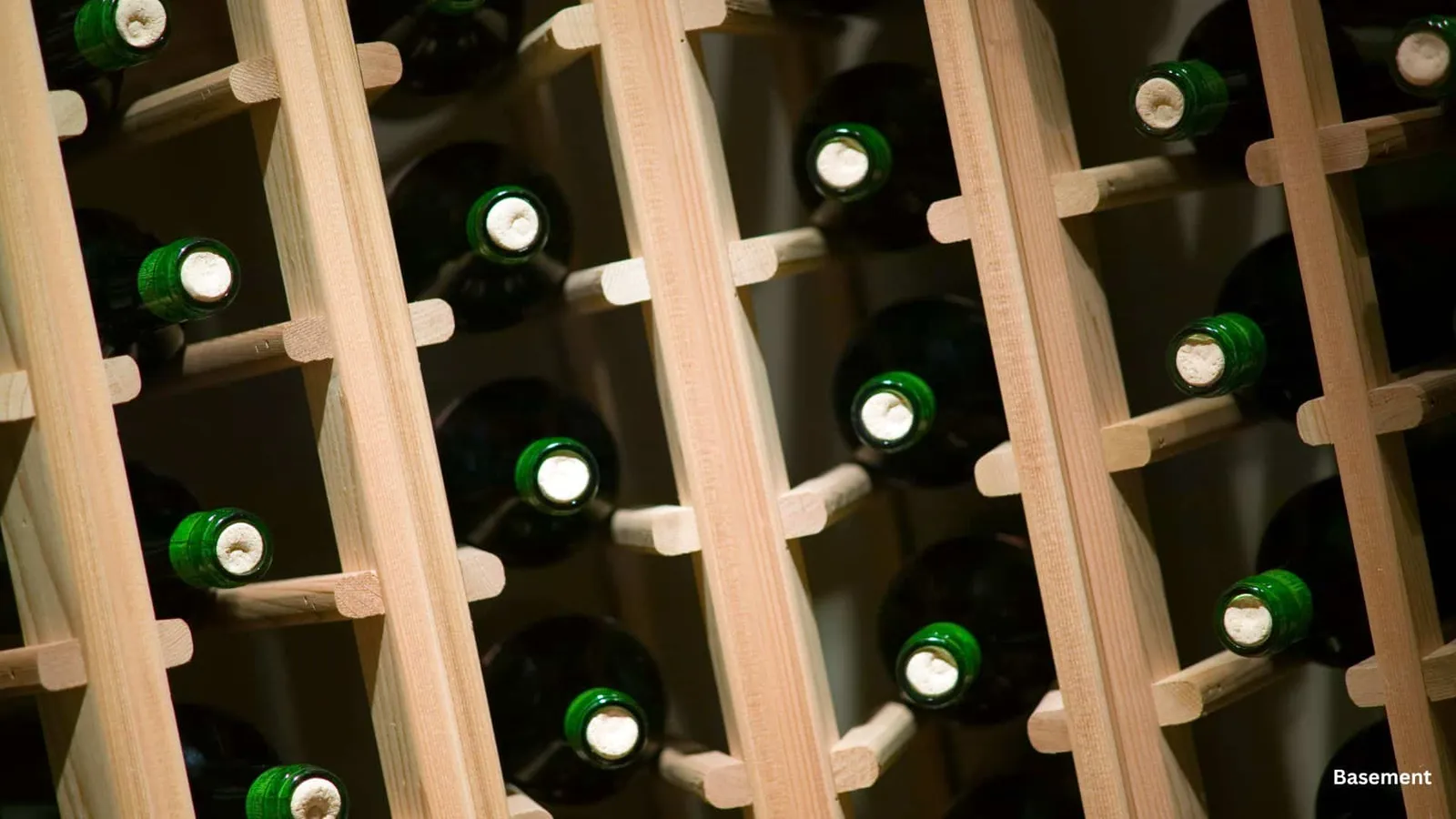
List what you intend to store and how you want to reach it. Compare racks and shelving with the room and any planned expansion. Ask the supplier to confirm the proposed components and intended load.
Review the enclosure with the equipment
Have the project team assess the room and selected climate-control system together. Check the equipment instructions and proposed insulation or moisture-control details before treating a cooling unit as the complete solution.
Compare lighting and access
Decide how bottles should be displayed and how the room will be used. Compare lighting, flooring and any tasting area with access and maintenance needs before choosing the decorative finishes.
Use the system-specific care instructions
Collect the equipment documents and ask how conditions should be monitored for the chosen installation. Report leaks or recurring moisture problems rather than assuming a generic operating range establishes suitable storage.
Design photographs
Published monetary examples
The following figures are preserved from the original article as historical examples. They are not a new quotation, current fee schedule, wage determination or guarantee for an individual property. Confirm the specific scope and current terms with the relevant provider or authority.
The cost to build a wine cellar can vary widely based on factors like size, materials, and features. On average, expect to spend between $15,000 and $60,000. Here’s a rough breakdown:
Frequently asked questions
Can I apply a generic humidity range to every cellar?
No. Have the enclosure and equipment assessed together. Follow the selected system guidance and discuss the collection being stored.
What should I review before ordering wine racks?
Review the collection, room and intended access. Ask the supplier to confirm the components and proposed load.
Product and project references
Ready to start your project?
Free consultations, no obligation, and design experts at four DMV showrooms.
Get a free estimate