Choose eco-friendly remodeling changes around the materials you are replacing and the water, lighting or appliance decisions in the room. Reclaimed materials, recycled surfaces and fixture choices address different concerns. Build the plan around the products and changes you can actually compare. Explore the remodeling service.
Eco-friendly remodeling is no longer just a trend—it’s a commitment to building healthier, more sustainable spaces for your home. Whether you’re updating a kitchen or a bathroom, choosing the right sustainable materials can reduce environmental impact, improve indoor air quality, and even save you money in the long run.
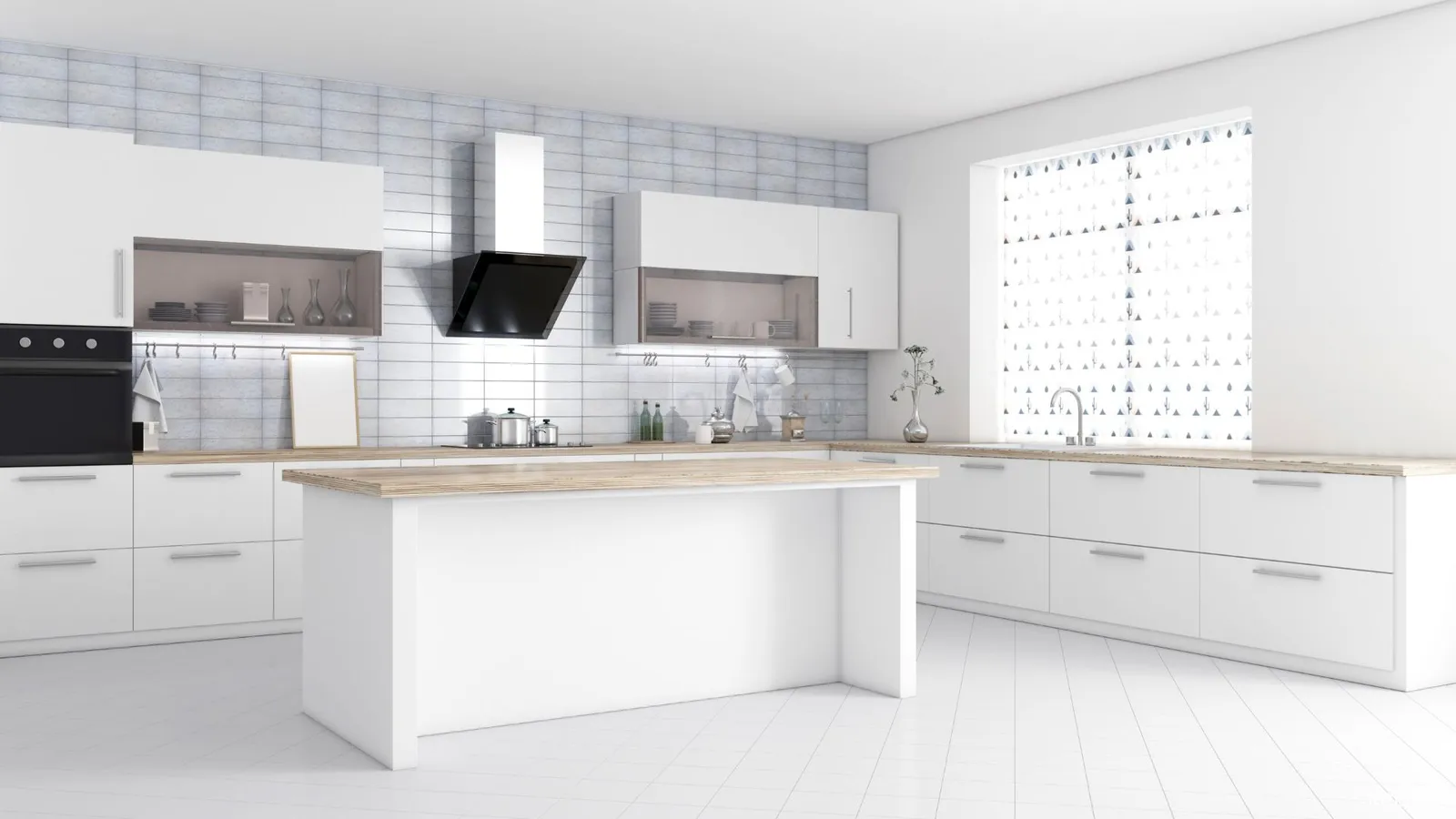
Why Eco-Friendly Remodeling Matters
Home renovations often involve energy-intensive materials and processes. By making eco-conscious choices, you can lower your carbon footprint and contribute to a healthier planet. Eco-friendly remodeling also helps create safer living spaces by limiting exposure to harmful chemicals often found in conventional building products.
Sustainable Materials For Kitchens
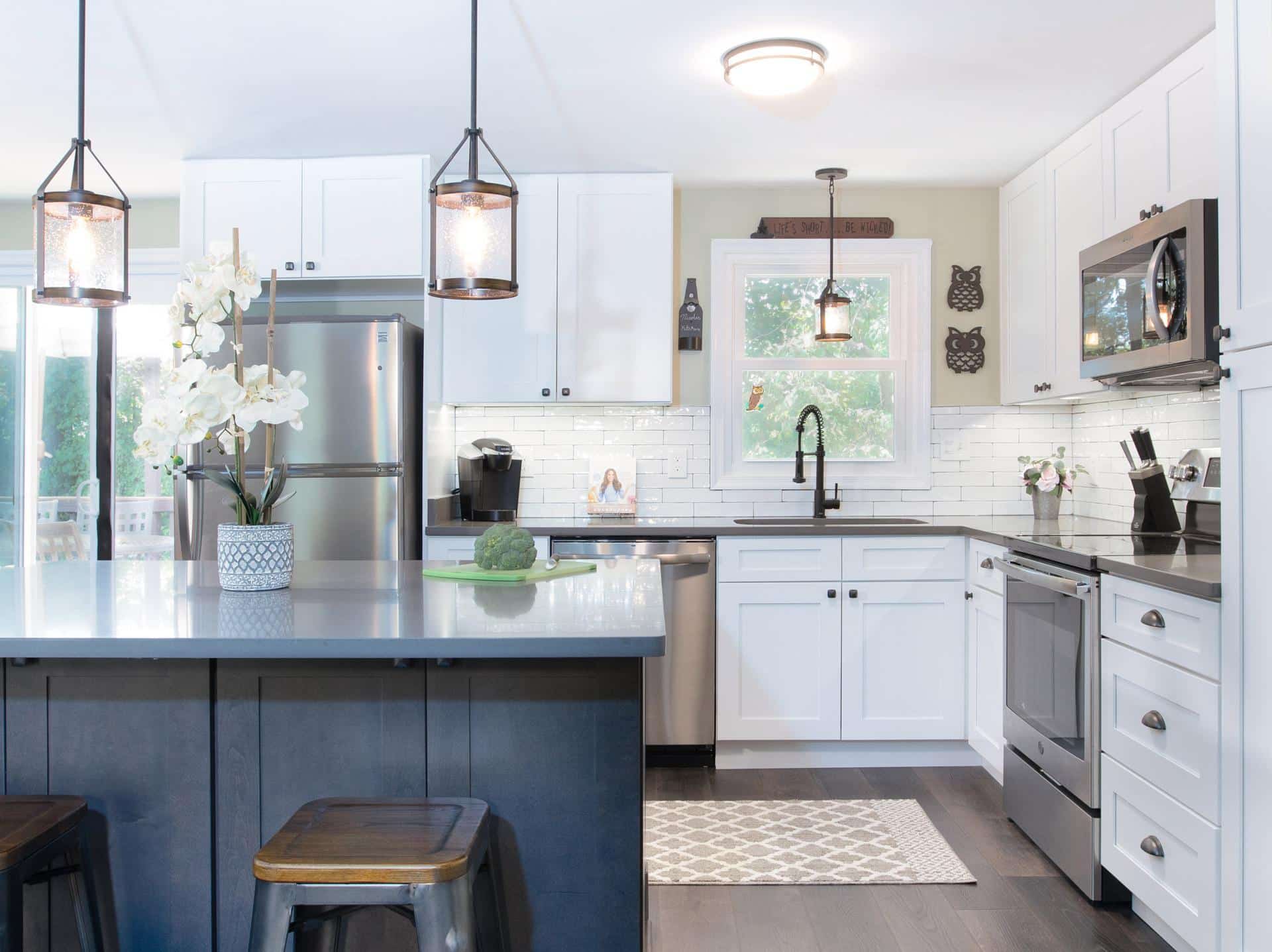
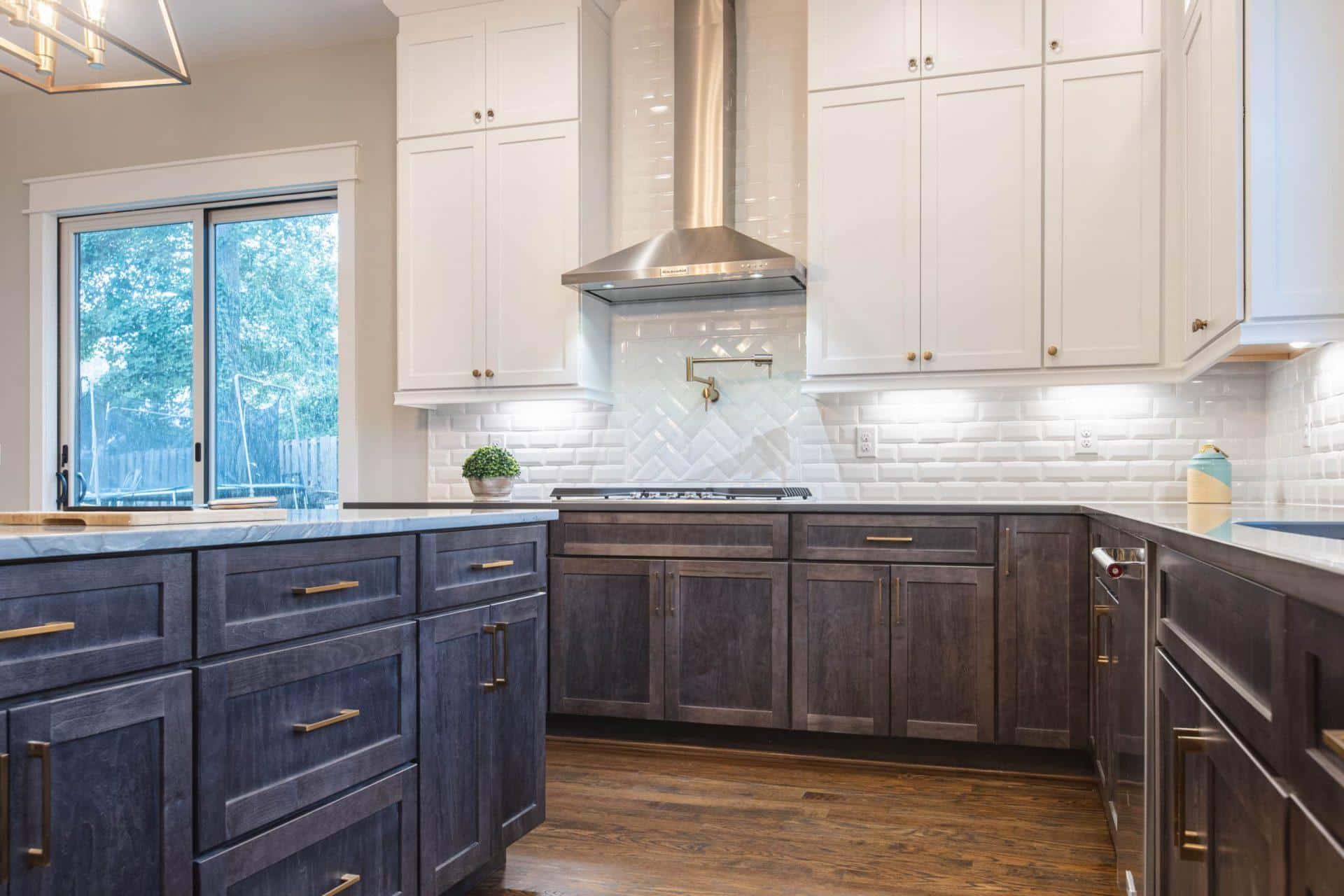
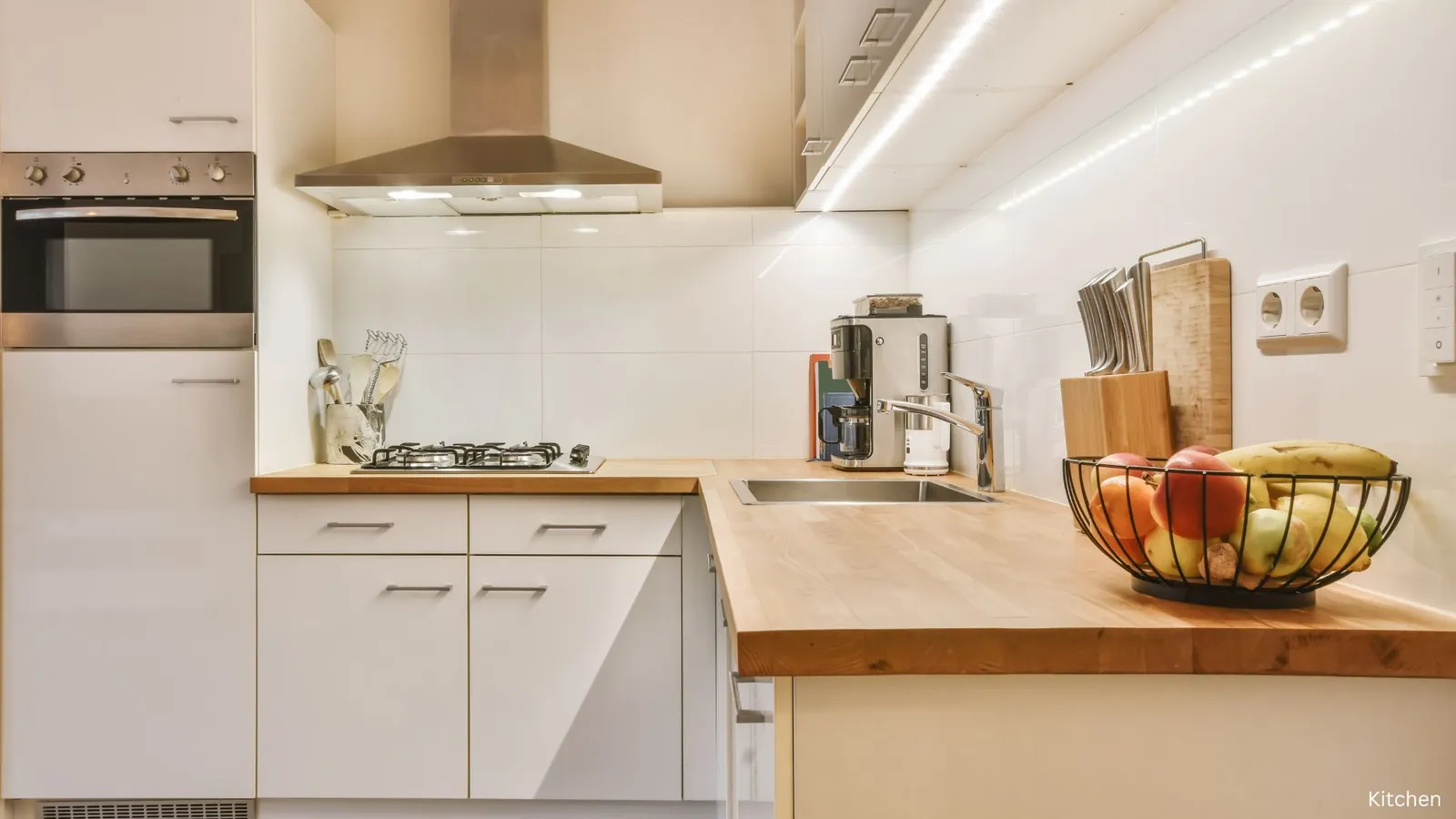
When remodeling your kitchen, the materials you select play a big role in both durability and sustainability:
- Bamboo Cabinets and Flooring – Bamboo grows quickly, making it a renewable resource that’s both strong and stylish.
- Recycled Glass Countertops – These surfaces offer a modern look while keeping waste out of landfills.
- Energy-Efficient Appliances – Modern appliances use less water and electricity, reducing utility costs over time.
- Low-VOC Paints – Using low or zero-VOC paints minimizes harmful emissions in your cooking space.
Sustainable Materials For Bathrooms
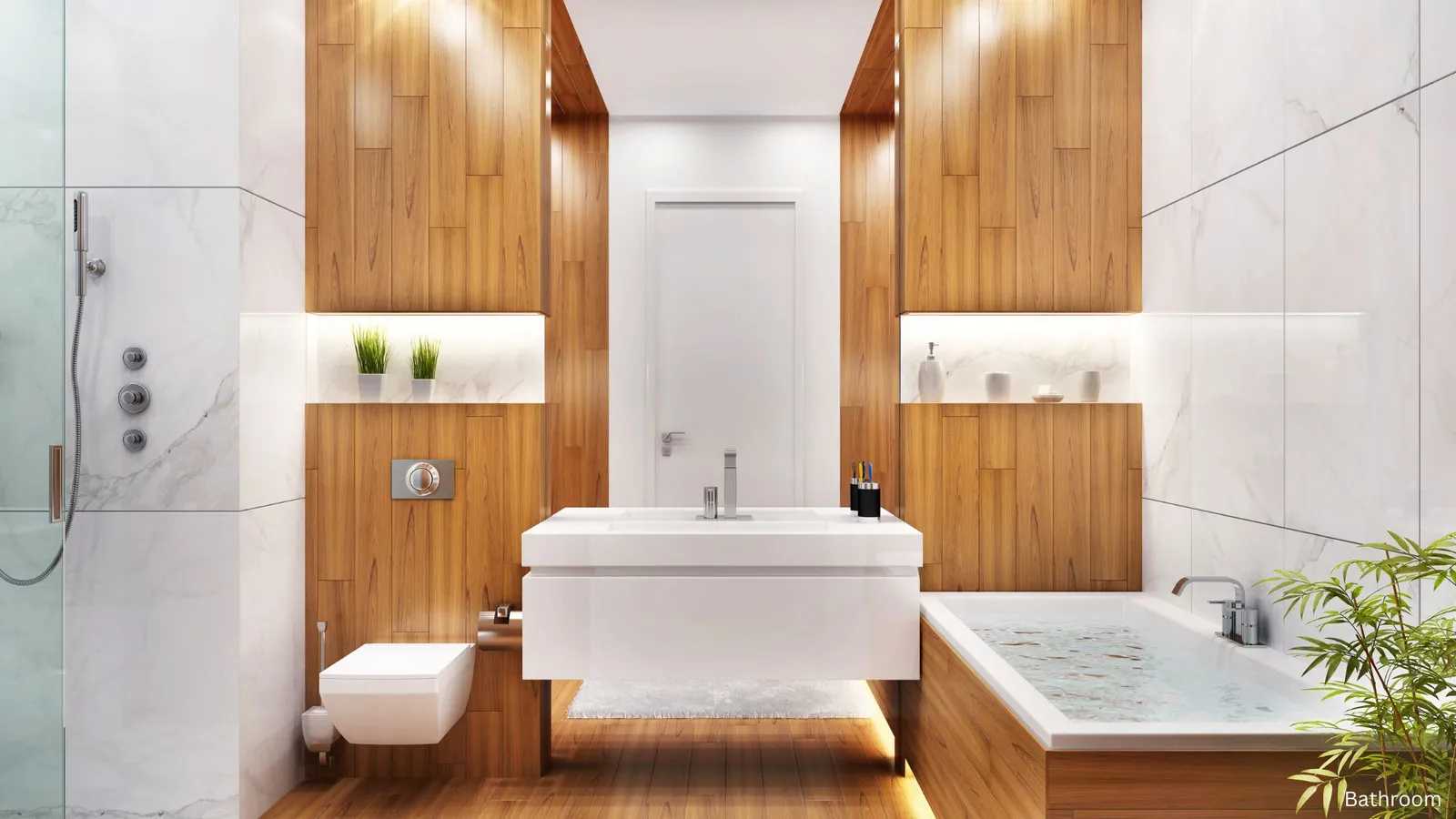
Bathrooms consume significant water and energy. Eco-friendly remodeling here focuses on conservation and longevity:
- Water-Saving Fixtures – Low-flow toilets, faucets, and showerheads reduce water use without sacrificing performance.
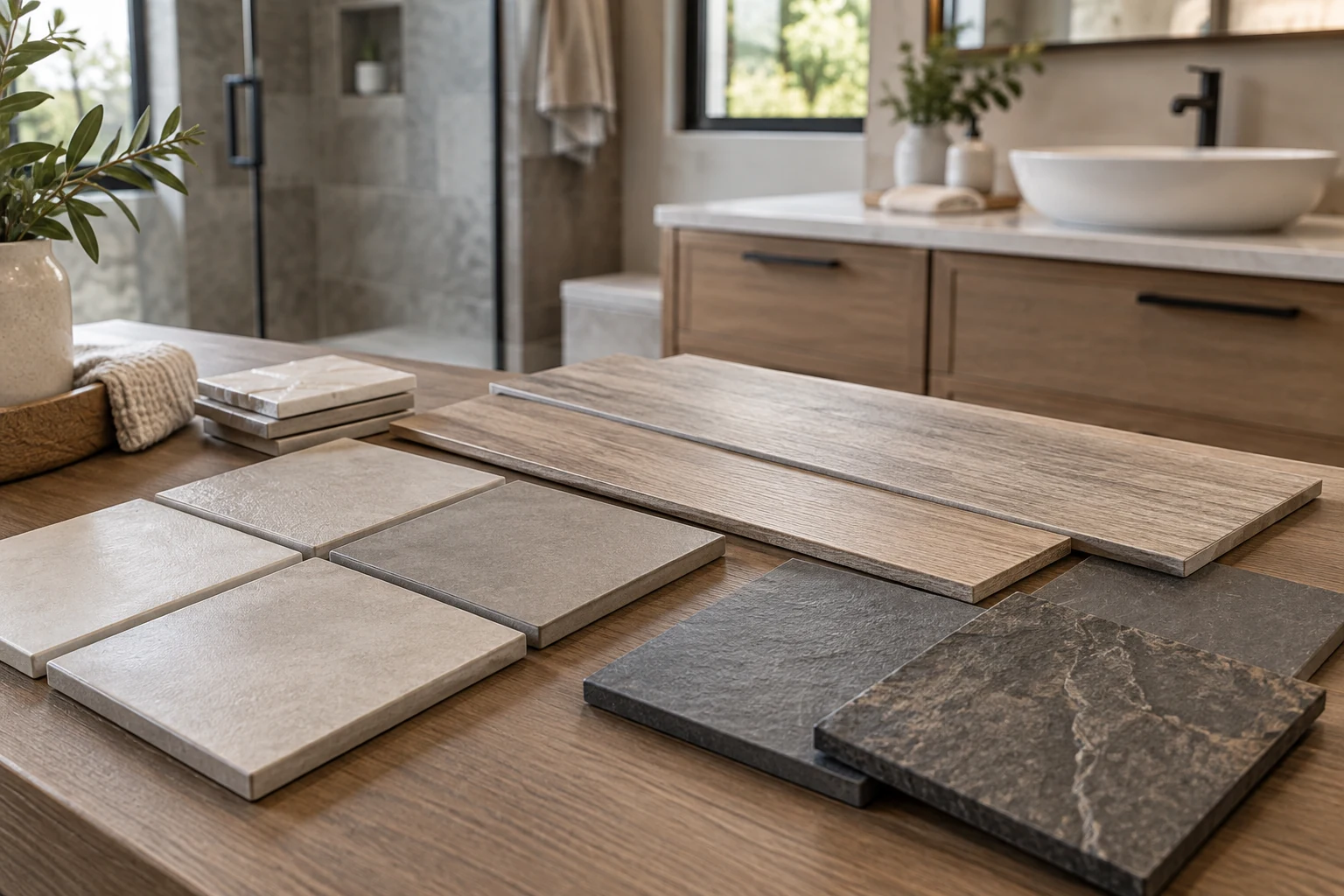
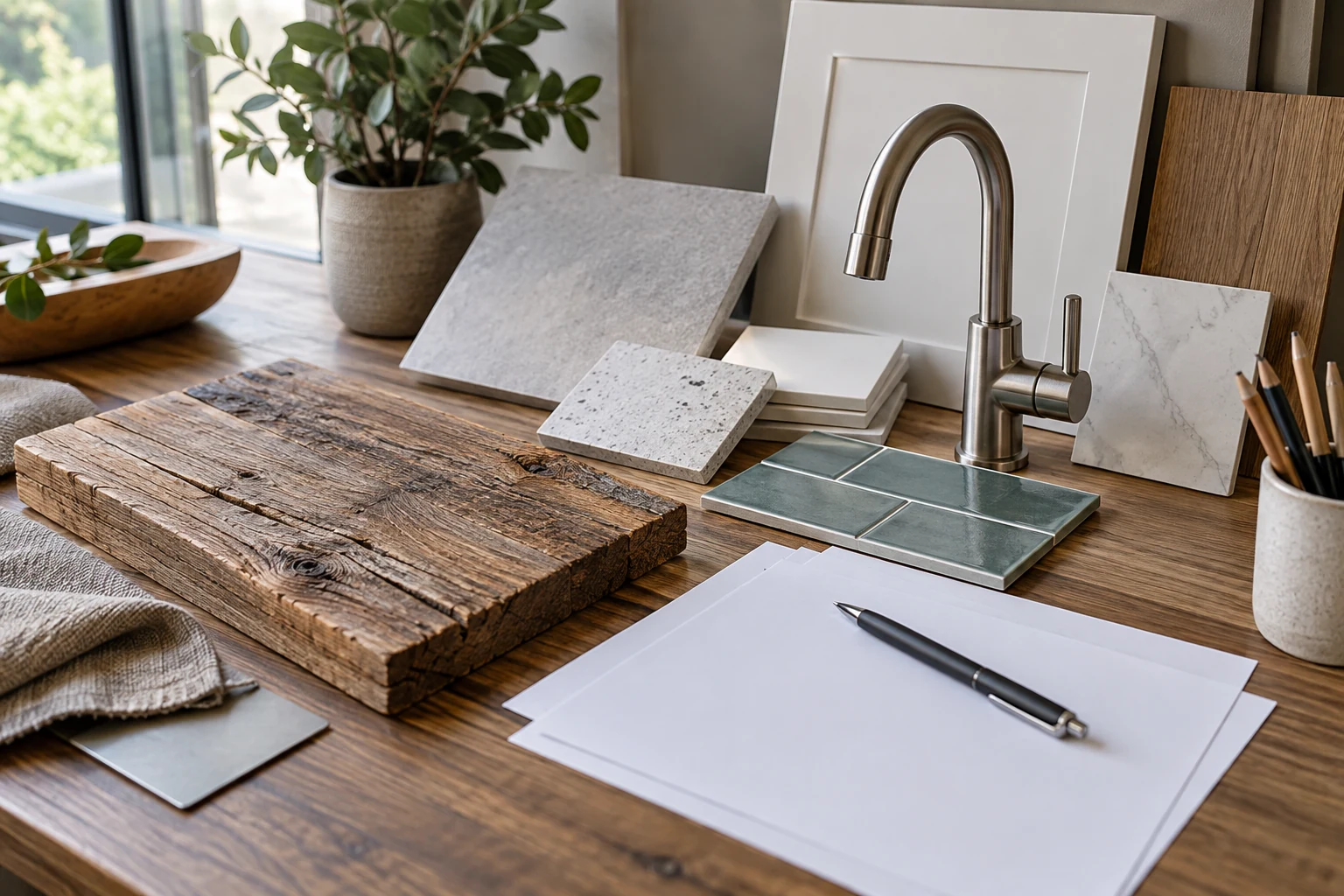
- Recycled Tile and Stone – Repurposed or reclaimed tiles bring unique character while reducing demand for new resources.
- Sustainably Sourced Wood Vanities – Choose certified wood products that come from responsibly managed forests.
- LED Lighting – Long-lasting LED bulbs reduce energy consumption and maintenance.
Benefits Of Choosing Sustainable Materials
Incorporating sustainable products during eco-friendly remodeling provides long-term value:
- Lower Operating Costs – Energy and water-efficient solutions lead to monthly savings.
- Durability – Many eco-conscious materials last longer, meaning fewer replacements over time.
- Healthier Living Spaces – With reduced toxins and better air quality, your family benefits every day.
Bringing Eco-Friendly Remodeling To Life
Eco-friendly remodeling is about more than design—it’s about responsibility. By selecting renewable, recycled, and non-toxic materials for your kitchen and bath, you create a beautiful, functional home that also protects the environment. If you’re ready to make the switch to sustainable design, start with small upgrades and build toward larger projects that align with your vision.
Separate material choices from everyday operation
Make separate lists for the materials in the room and the products you will use every day. Recycled glass, reclaimed tile and sustainably sourced wood belong in the material discussion. Lighting, appliances and water fixtures belong in the operation discussion. Low-VOC paint is another product choice to ask about. Compare the available products and ask what supports their descriptions rather than assuming every item with an environmental label has the same purpose. A kitchen remodeling plan can organize those decisions around the actual work, while the bathroom's fixtures and finishes deserve their own list.
Frequently asked questions
Which material choices can I discuss for an eco-friendly kitchen?
The ideas here include bamboo cabinetry or flooring, recycled glass counters and low-VOC paint. Compare the proposed products with your design requirements and ask for their product information. Keep these material choices separate from appliance and lighting decisions.
What should I compare when planning sustainable bathroom finishes?
Compare reclaimed or recycled tile and the proposed vanity materials with the look and function you want. Keep water fixtures and lighting on a separate checklist. This helps you discuss the purpose of each choice rather than treating the room as a single environmental claim.
Related planning references
For finish selection and bathroom faucet evaluation, consult EPA material and finish selection and EPA bathroom faucet selection.
Ready to start your project?
Free consultations, no obligation, and design experts at four DMV showrooms.
Get a free estimate