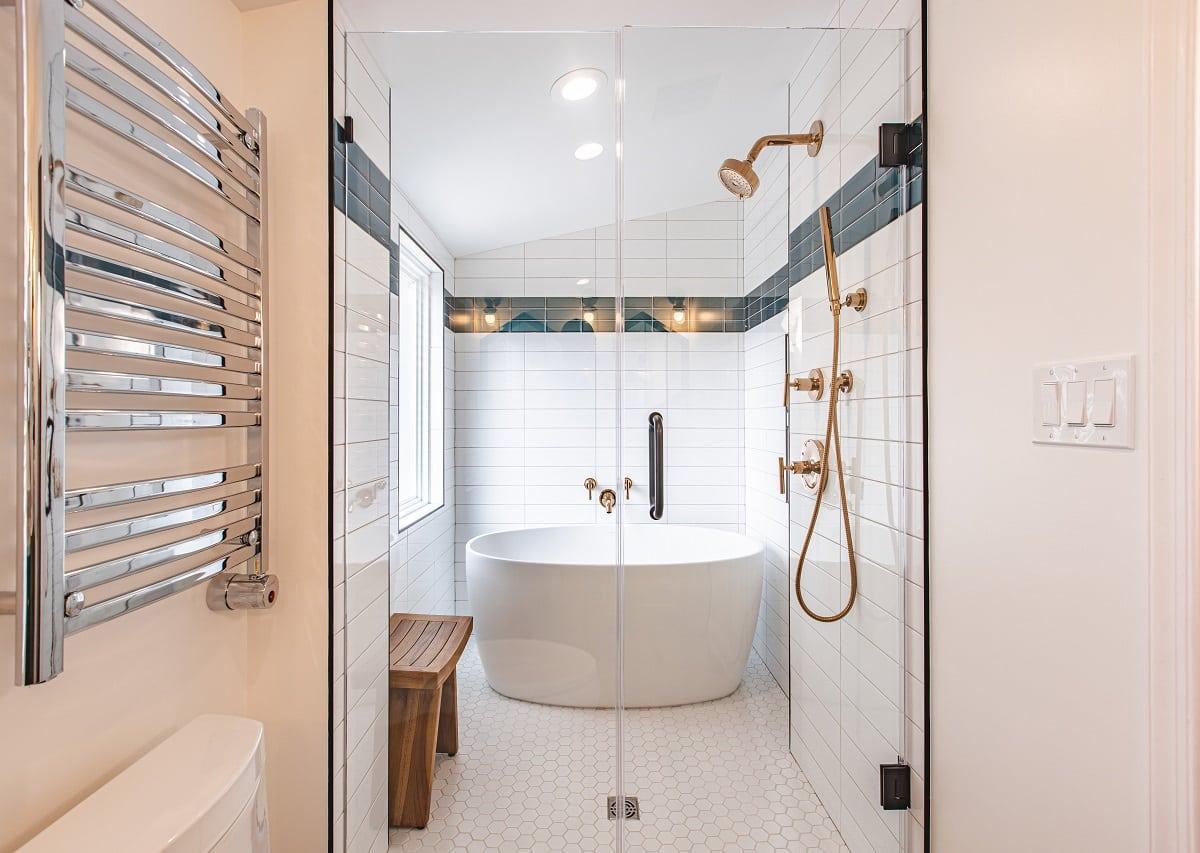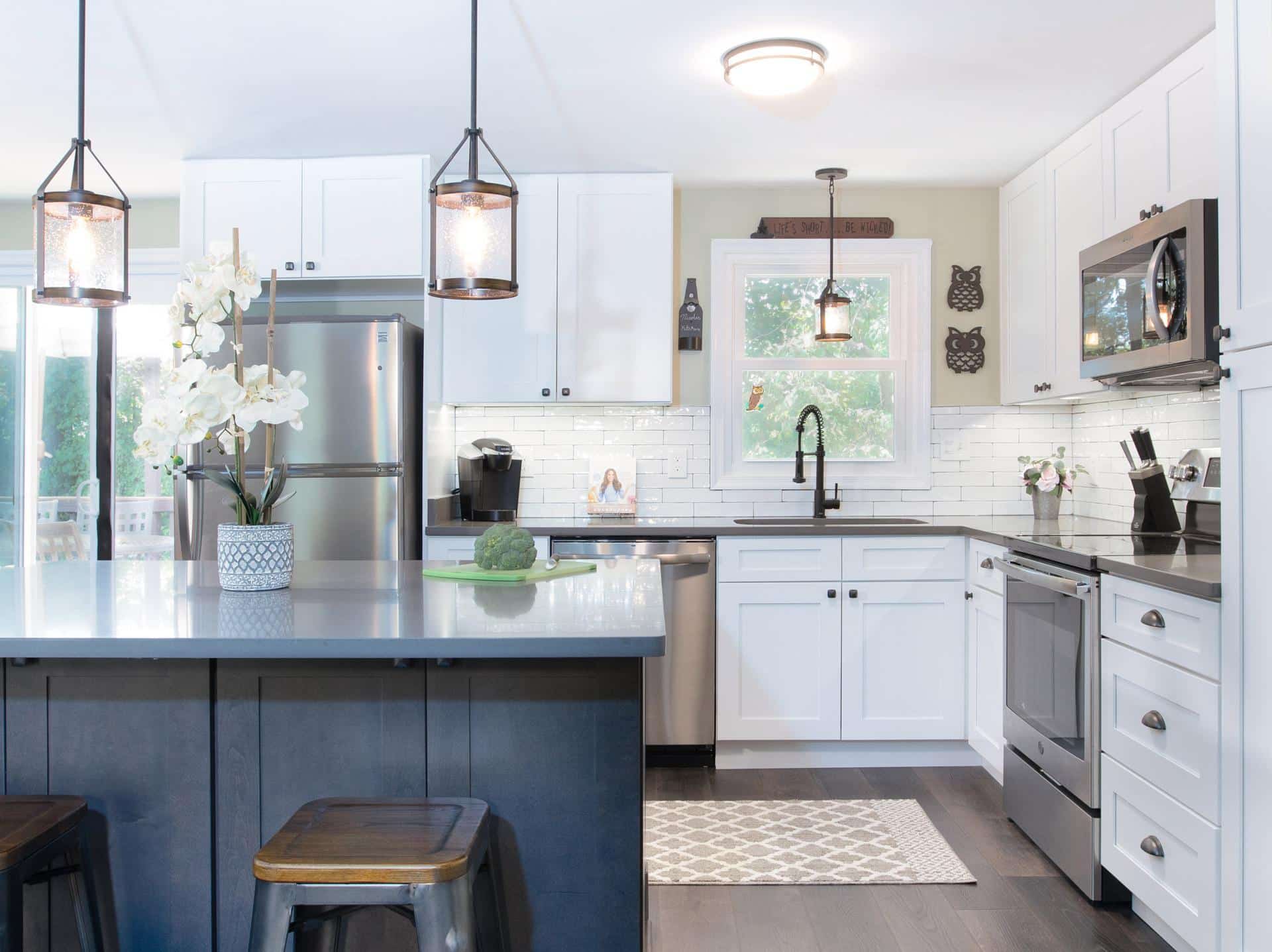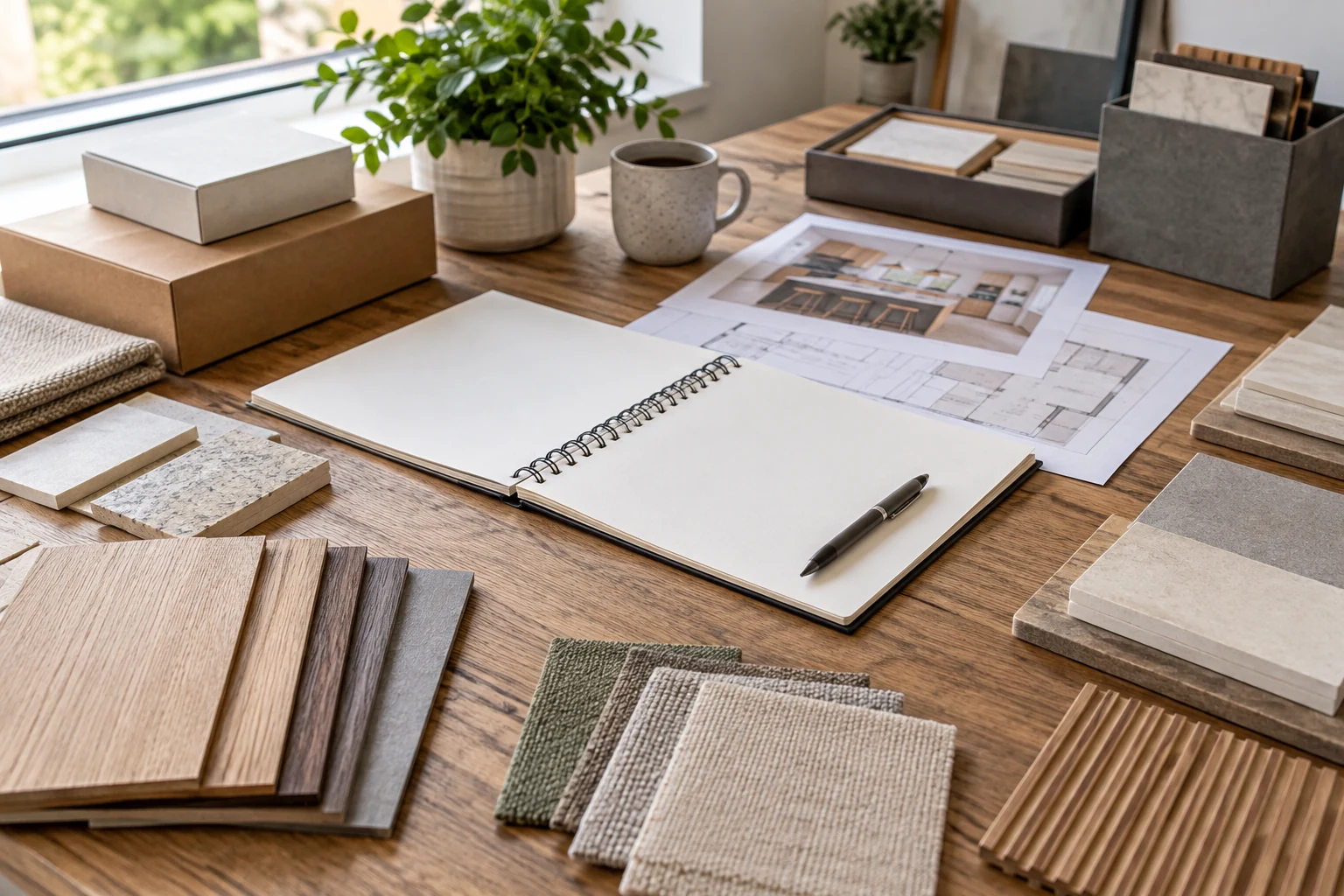
GBC offers a free in-home estimate. Design drawings follow a signed contract; discuss the proposed design and installation scope with the showroom.
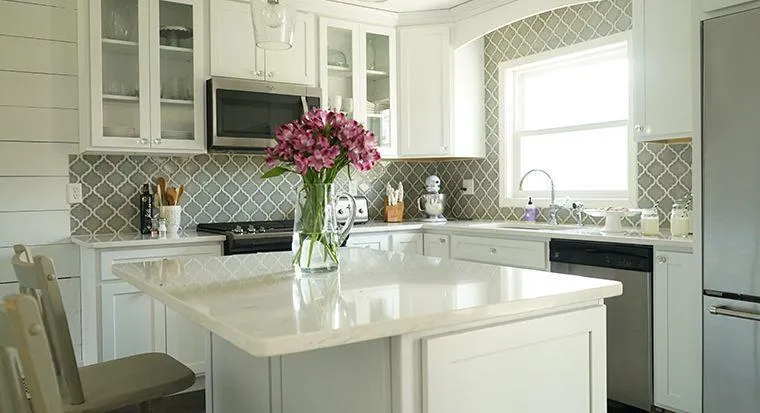
Going Green for Real in Kitchen or Bathroom Remodeling
When planning kitchen remodeling, use the following ideas as questions to discuss for your own home. Environmental labels deserve a closer look when selecting remodeling products. Ask what a claim covers: the material, manufacturing process, energy use or another specific attribute. Avoid treating a general green label as proof of every benefit.
In most cases, these are not outright lies. They may be overstatements, misstatements, or omissions. The idea is to “green wash” products to grab consumer attention with such phrases as “Eco-friendly” without qualifying it. For example, a product may be biodegradable, which is technically Eco-friendly, but the raw materials and/or process used to make it were not. It’s a slippery slope, but many companies are expert at keeping their balance.
In some cases, the claims are outright deceptive. These companies do not even attempt to provide some basis for their claims, but simply claim it in order to cash in on the social conscience of consumers.
If you are sincere in doing your part in protecting the environment in going green for your kitchen or bathroom remodeling, you need to make the effort to avoid green-washed products. You can do this by arming yourself with some useful information. Here are some common ways companies seek to mislead or deceive you in your efforts to go green.
Check the label
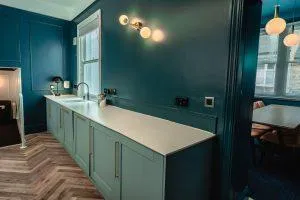
When a product carries a certification, check the issuing program’s criteria and the listing for that specific product. A label supports the attributes within that program’s scope; it does not verify every environmental claim.
Who wants a kitchen full of brand new @EnergyStar appliances? Raise your hand! Higher! Ok, maybe just enter here. https://t.co/VZqluT0vvs
— Ellen DeGeneres (@TheEllenShow) the original post
Look up the certifying body and its current criteria. Check that the exact model appears in the program’s listing and that the claim you are evaluating is within its scope.
Of course, not all truly green products have reputable certification. The verification process is long and expensive, so some companies may be in the process of certification, or have not sought certification at all. This does not mean they are not eco-friendly or sustainable. It simply means you have to look a little harder to find out.
Do online research
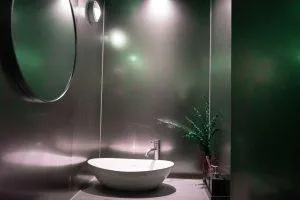
Use the manufacturer’s documentation to investigate the claimed attribute. Ask about the recycled content, source materials or energy-use test that is relevant to the product. Customer reviews can describe experiences, but do not independently establish environmental performance.
Read the fine print
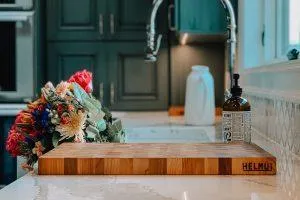
Some companies are sneaky about the fine print. They may have products that are technically Eco-friendly in one way, but not in another. This is a trade off, and they are very careful to draw attention away from it without actually leaving them out.
For example, a product may use recycled wood, but also contain toxic chemicals in the adhesives or resins they use. The manufacturer may also use large amounts of fossil fuels in production.
In some instances, the problem is in the location and/or the packaging. Acquiring products from other countries mean long-haul shipping, which leaves a larger carbon footprint than local goods. They may also require more extensive packaging, which may or may not be Eco-friendly.
All of these are trade offs in the name of going green. You need to look at the whole picture rather than focusing on the product only, as this will have an overall impact on the environment.
Take it with a pinch of salt
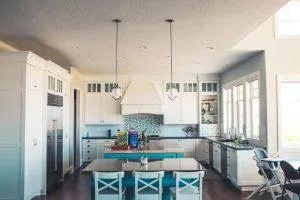
Check the requirements that apply to the particular material and the work being planned. Do not assume that a broad claim about banned substances establishes the safety of every product or existing building material.
Conclusion
For environmental product questions, bring your priorities and product questions to GBC Kitchen & Bath. Discuss the proposed work at a showroom in Alexandria, Ashburn, Rockville or Columbia, and ask which written warranty terms apply to the selected products and installation.
Discuss your project scope, material selections and schedule with the remodeling team. Ask for the written proposal and review any exclusions before agreeing to the work.
Further reading
The EPA green building program explains the environmental criteria behind green products, and the indoor air quality reference covers the ventilation and emissions issues a remodel can affect.
Ready to start your project?
Free consultations, no obligation, and design experts at four DMV showrooms.
Get a free estimate