Compare heated-floor options by the room you are remodeling, the type of system and the controls you want. Electric mats or cables and water-filled tubing involve different installation discussions. Decide how the floor and control choices fit the planned work before selecting the system. Explore the remodeling service.
Homeowners looking to add both style and function often turn to heated floors. Beyond their luxurious feel, they provide practical benefits in high-traffic areas like bathrooms and kitchens. Understanding the cost, comfort, and controls involved will help you decide if this upgrade is right for your remodel.
Why Heated Floors Are a Smart Investment
Heated floors deliver consistent warmth from the ground up, unlike forced air systems that can leave cold spots. They are especially useful in tiled bathrooms and kitchens where surfaces get chilly underfoot. This combination of comfort and efficiency makes them one of the most popular modern remodeling upgrades.
Types of Heated Floors
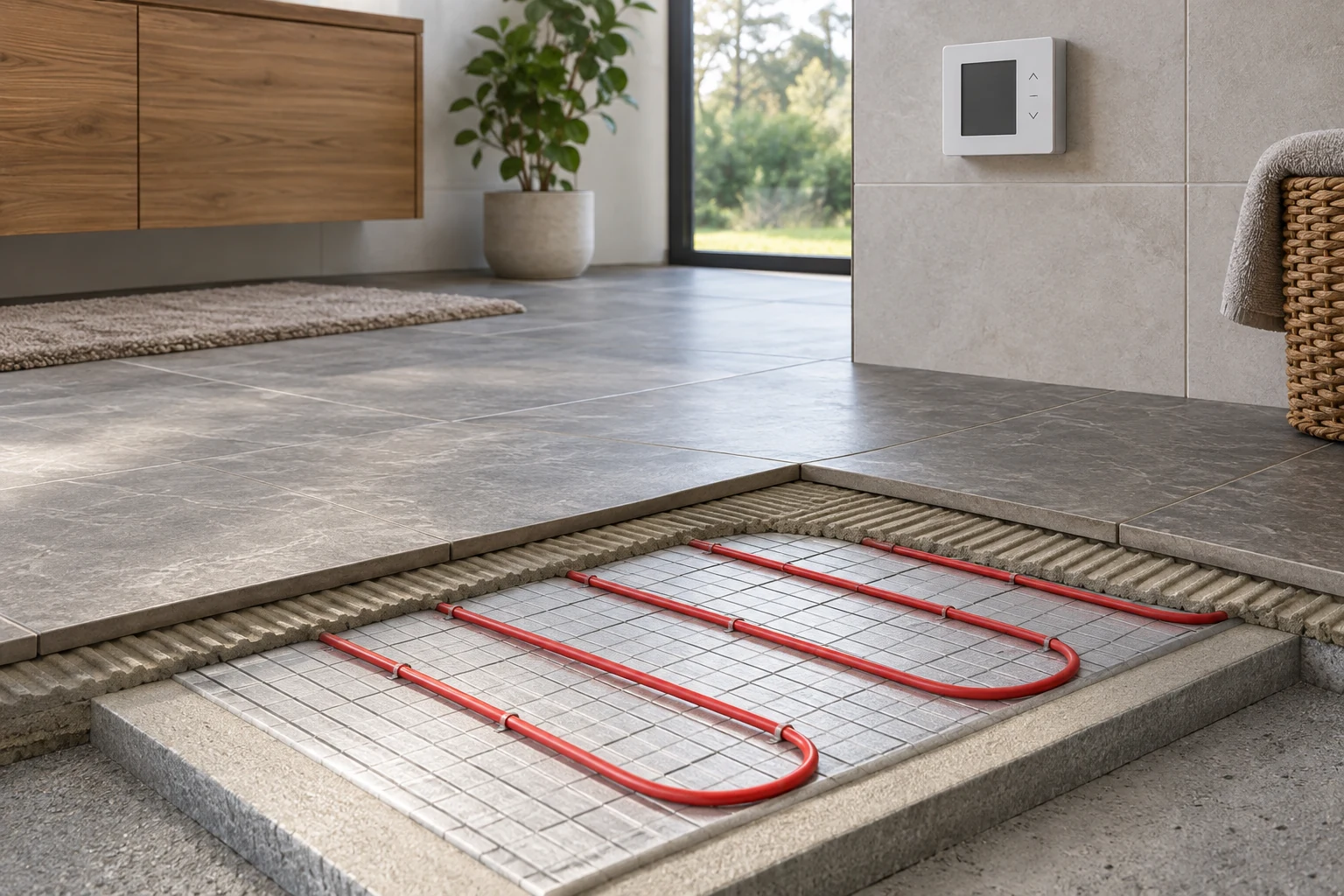
- Electric Radiant Heating: Uses electric cables or mats under the flooring. Best for smaller spaces like bathrooms.
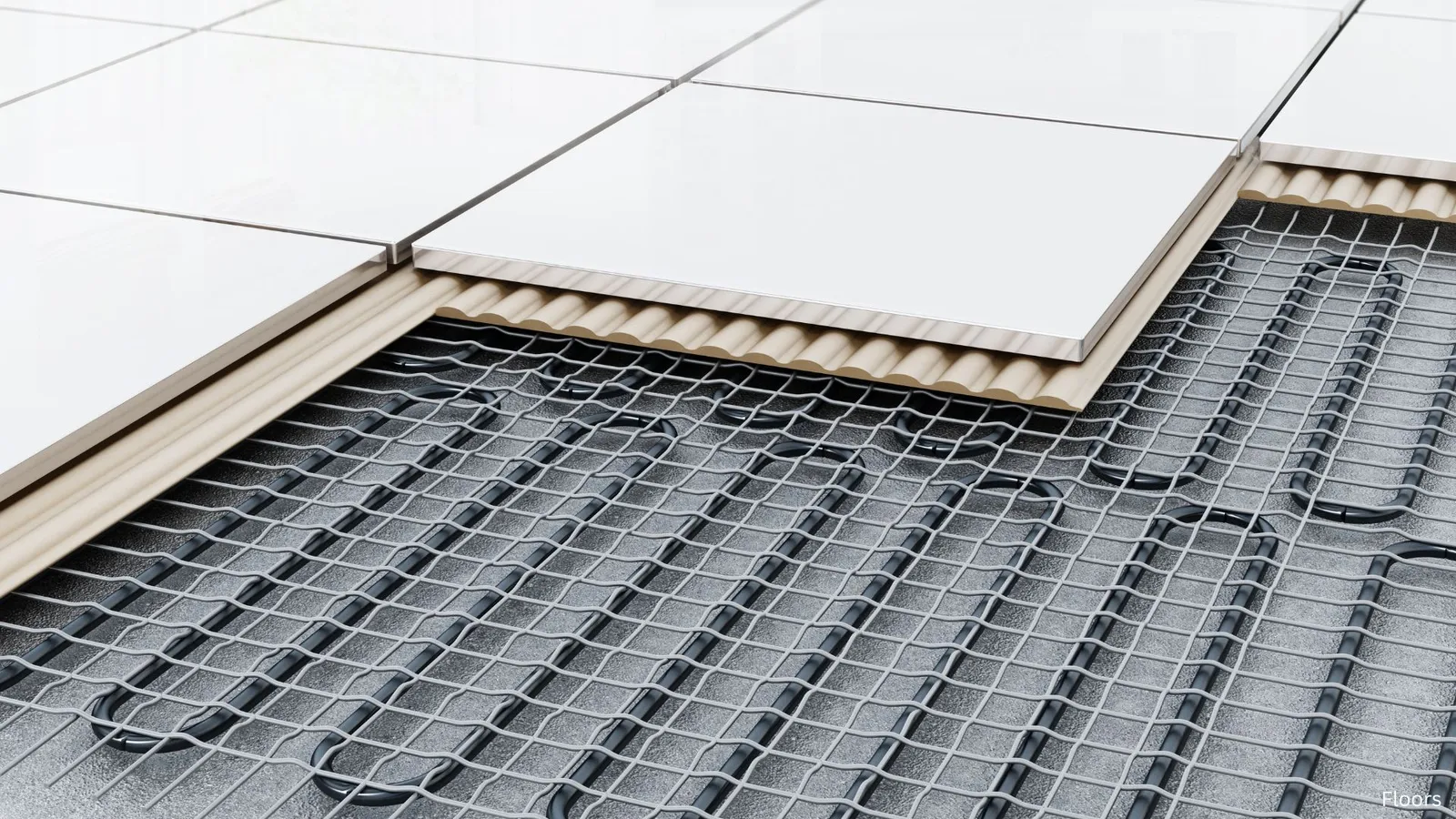
- Hydronic Radiant Heating: Circulates warm water through tubing. Ideal for larger areas, though installation is more complex.
- Self-Regulating Systems: Advanced options that adjust heating output depending on room temperature.
Cost Considerations
The cost of heated floors depends on system type, room size, and labor:
- Electric systems: $10–$20 per square foot installed
- Hydronic systems: $15–$30 per square foot installed
- Smart thermostat add-ons: $150–$300
While upfront costs may seem high, heated flooring can increase home value and lower long-term energy expenses by reducing reliance on central heating.
Comfort and Energy Efficiency
One of the main benefits of heated floors is the even distribution of warmth. Rooms heat up more quickly and stay consistently comfortable. These systems also work quietly, with no noisy fans or vents, making them ideal for both kitchens and baths.

Modern Controls and Smart Features
Today’s heated floors often come with programmable thermostats, timers, and even smartphone integration. You can pre-warm your bathroom before your morning shower or keep your kitchen cozy during winter gatherings with just a tap.
Installation Timeline
- Electric systems: Usually installed in 1–2 days
- Hydronic systems: May take several days to a week due to plumbing requirements
Both are typically added during a remodel, making it cost-effective to install when new flooring is already planned.
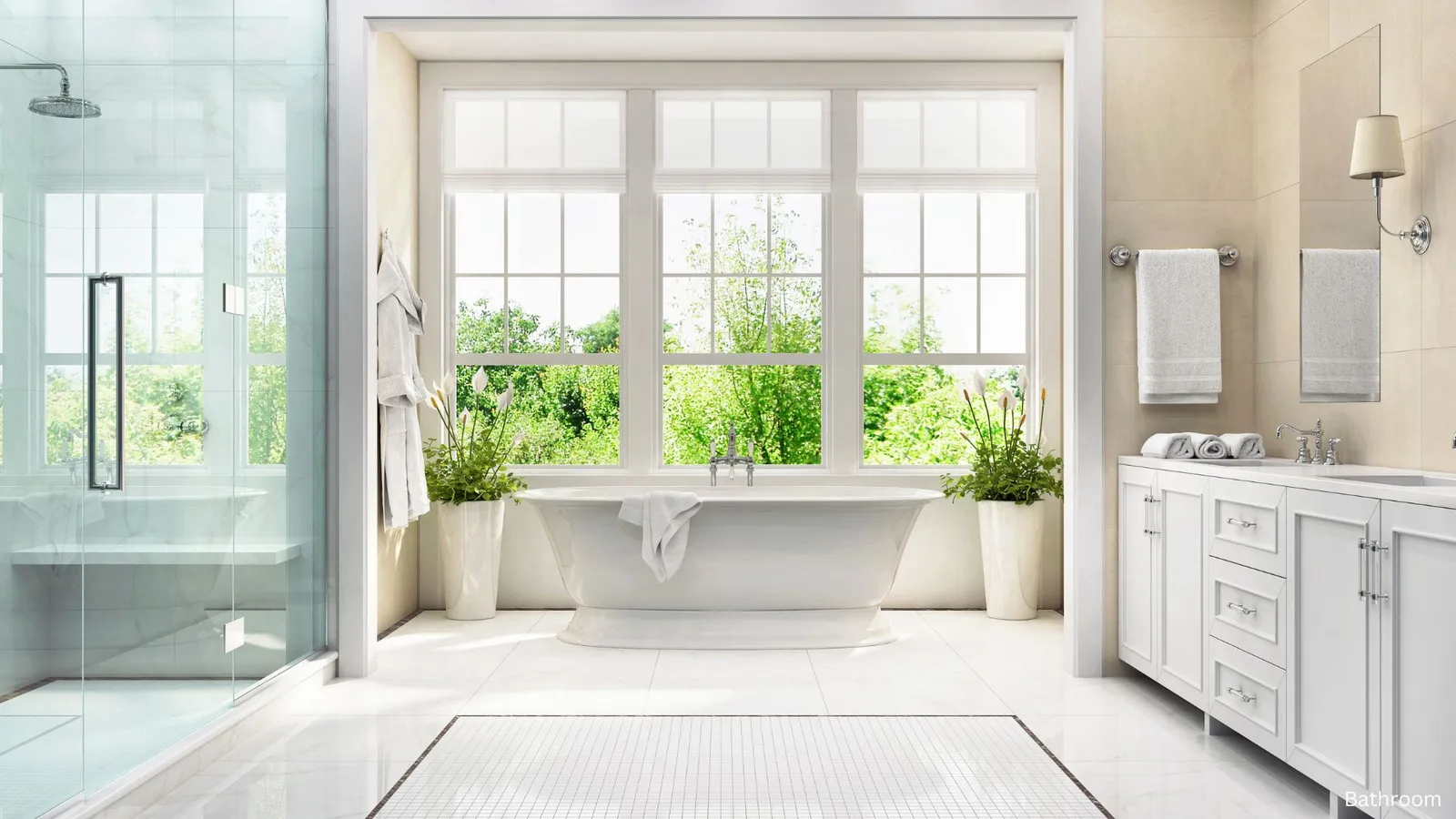
Adding heated floors to your bathrooms or kitchens provides a luxurious upgrade with practical benefits. From improved comfort to modern smart controls, they’re an investment that pays off in warmth, efficiency, and resale value.
Put the system and controls on the same checklist
Start with the room and the planned flooring work, then ask the installer to explain the proposed heating system. The options discussed here distinguish electric cables or mats from hydronic tubing, and they also include self-regulating systems. Keep the thermostat decision separate enough to compare it: a timer, programmable settings and phone integration answer different preferences. During bathroom remodeling planning, ask how the floor work and heating installation relate to each other. For a kitchen, make the same comparison within the kitchen's plan rather than choosing a control feature first.
Frequently asked questions
What is the distinction between electric and hydronic heated floors?
Electric systems use cables or mats beneath the flooring. Hydronic systems circulate warm water through tubing. Compare the proposed system with the room and the work being planned, then discuss installation requirements with the installer.
Which heated-floor controls should I compare?
Compare programmable settings, timers and any phone integration offered for the proposed system. These features affect how you choose to operate the floor. Decide what you want the controls to do before choosing them for their appearance or convenience alone.
Related planning references
For heating-system comparison and floor-installation instructions, consult DOE home-heating system comparison and EPA remodeling work practices.
Ready to start your project?
Free consultations, no obligation, and design experts at four DMV showrooms.
Get a free estimate