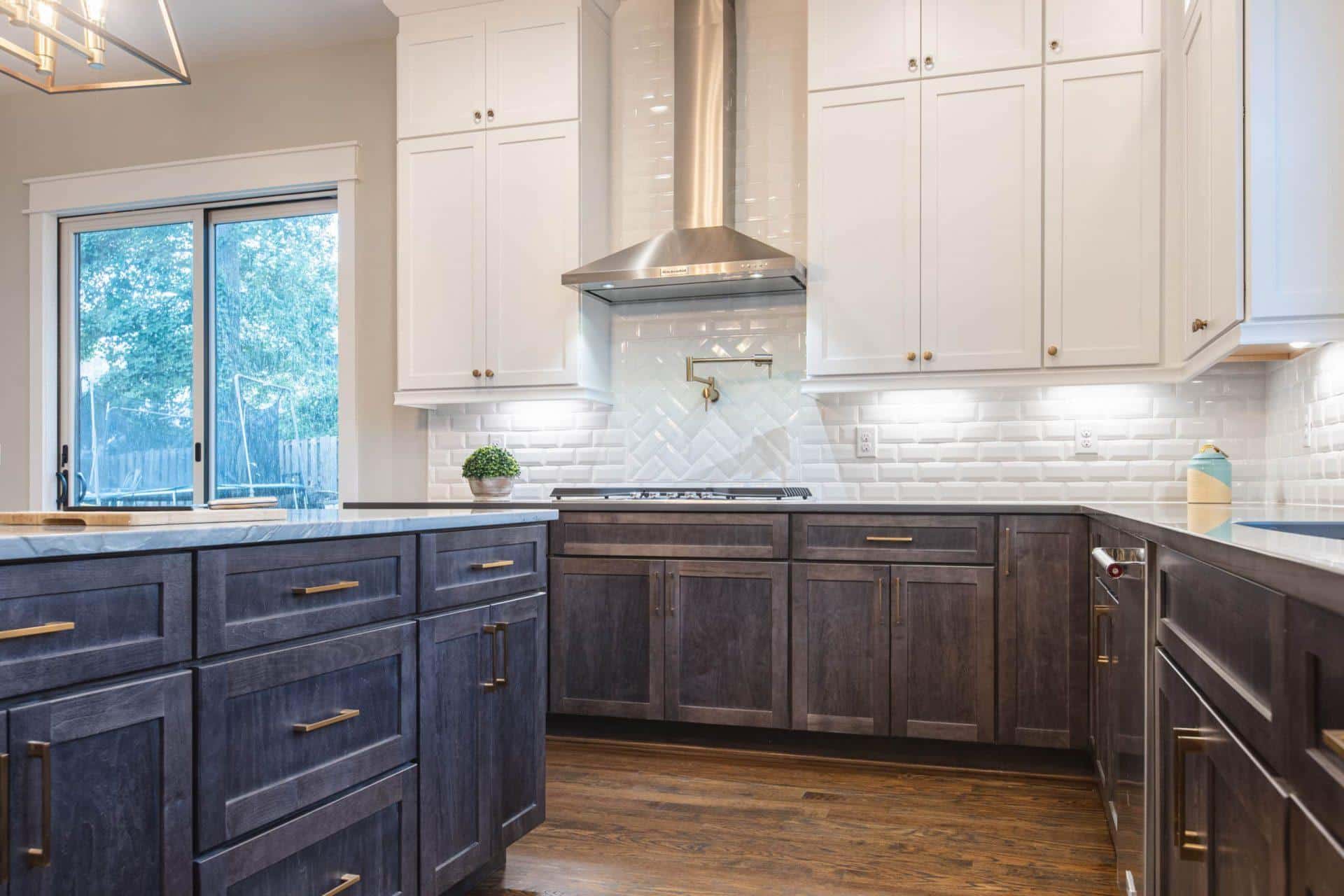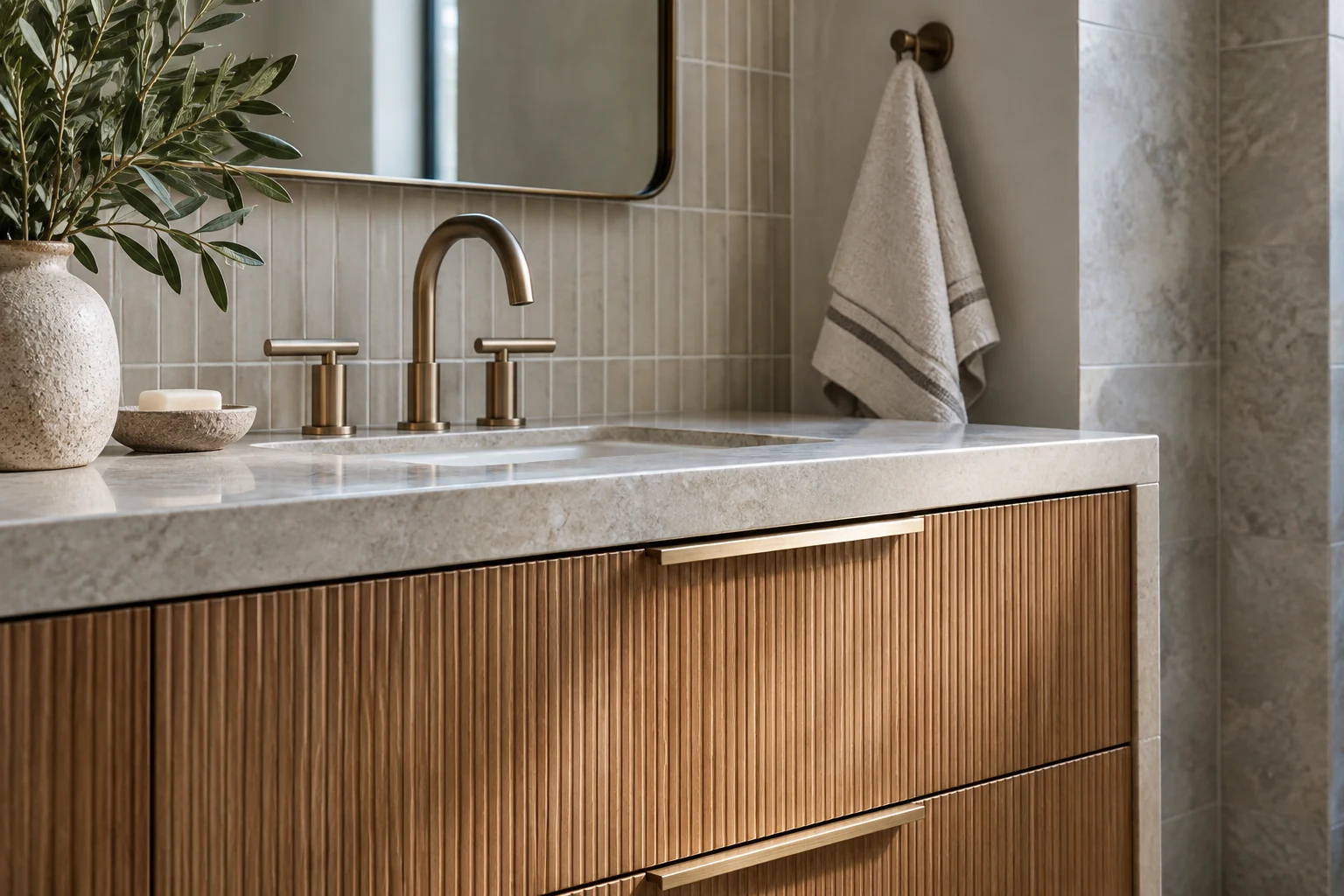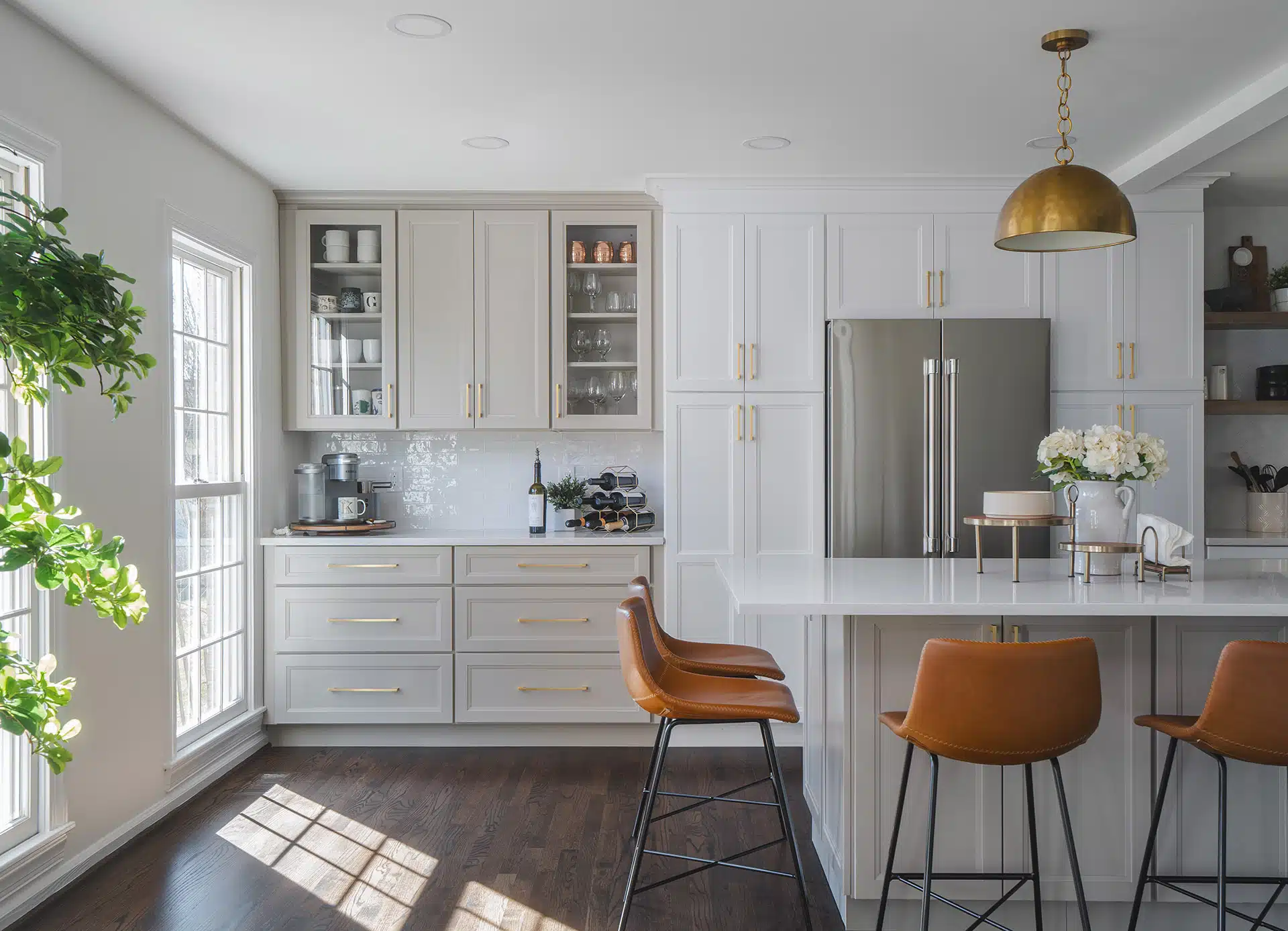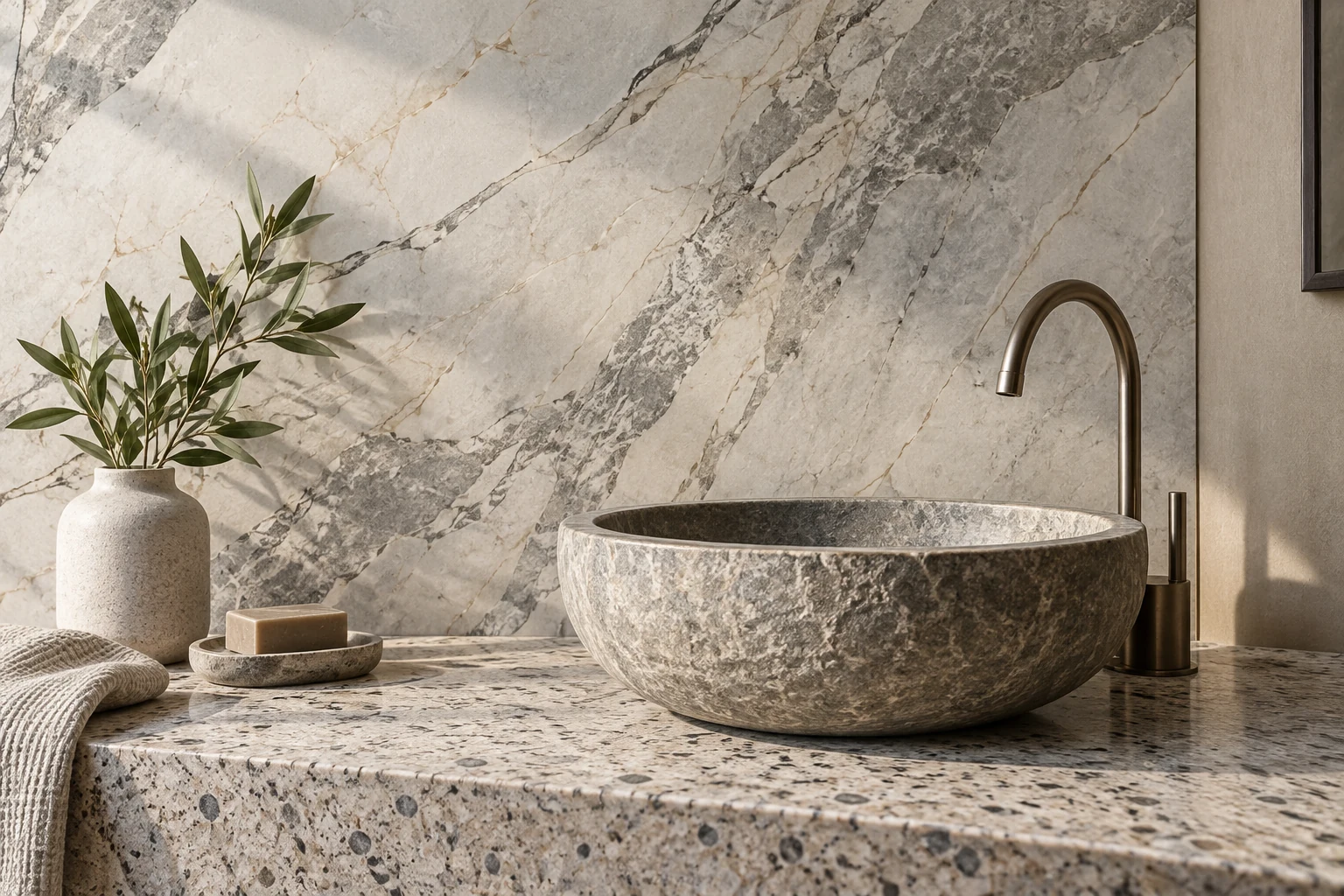
Compare natural stone by the particular material, finish and planned use. Ask about care and sourcing before selecting it; natural origin alone does not establish scratch resistance or an absence of environmental impact. Discuss the proposed kitchen remodel.

Natural stone is an option to compare for counters, backsplashes or flooring. Use samples to explore the appearance and have the specific product reviewed for the intended application.
In this article, we’ll explore the different types of natural stone materials commonly used in kitchen and bath design, as well as their advantages and disadvantages in various applications. We’ll also provide some practical ideas for incorporating natural stone into your interior design, and offer some tips for selecting the right stone material for your project.
Benefits of Natural Stone
Before using stone in a busy kitchen or bathroom, compare the chosen material with its intended use. Ask about surface protection, cleaning and repair; the label natural stone does not establish resistance to scratches or chips.
Another advantage of natural stone is its unique and varied patterns and colors. Each piece of natural stone is completely unique, with its own distinctive patterns and shades that can add character and visual interest to any design. Additionally, many natural stone materials are available in a wide range of colors and patterns, making it easy to find a material that complements your existing décor.
If environmental impact is part of your decision, ask where the stone is quarried, how it is processed and how it will reach the project. A natural origin alone is not evidence that a material has no environmental impact.
Suitability of Different Types of Natural Stone
While all-natural stone materials offer similar benefits, some may be better suited to certain applications than others. Here are some of the most commonly used natural stone materials in kitchen and bath design, and their best uses:
Granite
Compare granite samples for their colors and patterns, then ask the supplier about the specified slab's care and suitable applications. Confirm a proposed floor or fireplace use separately from the countertop choice.
Marble
Marble is a classic and elegant choice for kitchen and bathroom countertops, as well as flooring and wall applications. It is known for its distinctive veining patterns and comes in a wide range of colors, from classic white to more exotic shades like green and pink. However, marble is more prone to staining and etching than other types of natural stone, so it may require more frequent maintenance to keep it looking its best.
Quartzite
Consider quartzite if its veining and colors suit the design. Before using it on a countertop, backsplash or floor, confirm the particular stone's identification, finish and care requirements with the supplier.
Soapstone
Compare a soapstone sample with the appearance you want. Ask the supplier about the particular stone's finish, intended use and care before assuming heat, staining or maintenance performance.
Slate
Compare slate samples for their color and texture, then confirm the particular product's intended use and installation. A textured appearance alone does not establish wet-floor slip safety, water resistance or a cleaning routine.
In general, when selecting a natural stone material for your kitchen or bath design, it’s important to consider factors like durability, maintenance requirements, and aesthetic appeal. A reputable natural stone supplier or fabricator can help guide you in making the right choice for your specific needs and preferences.
Practical Ideas for Incorporating Natural Stone
If you’re looking to incorporate natural stone into your kitchen or bath design, there are a variety of creative and practical ways to do so. Here are some ideas to get you started:
Kitchen Countertops
Compare the proposed stone surfaces with the work performed at the counter. Ask the supplier about the exact material, finish and care instructions before choosing between granite, quartzite or soapstone.
Bathroom walls
For bathroom walls or a shower surround, compare the stone appearance with the intended location. Have the supplier and installer review the exact product and assembly instead of treating a stone category as a water-resistance specification.
Kitchen Backsplash
Use slate, marble or quartzite samples to compare the proposed backsplash appearance. Ask about compatible cleaning and installation before assuming the selected stone is low maintenance.
Bathroom floors
For a bathroom floor, check whether the exact stone and finish are intended for the proposed use. Review installation and care with the project team; appearance or a material name alone cannot establish wet-floor safety.
Selecting the right natural stone material for your kitchen or bath design can help you create a space that is both visually stunning and highly functional. By considering factors like durability, maintenance requirements, and aesthetic appeal, you can make an informed choice that will provide lasting value and beauty in your home.
Conclusion
Compare each natural stone product with the proposed counter, wall or floor application. Keep the selected slab or tile, finish and product documentation visible in the specification rather than treating the category as proof of durability or low maintenance.
Match the stone discussion to a particular application
Identify whether you are choosing a counter, backsplash, wall or floor. Compare the proposed stone's pattern and finish with the surrounding materials, then ask about cleaning and maintenance for that application. Keep the care conversation separate from the appeal of the slab so both belong in the selection.
What should I identify before comparing natural stones?
Identify the surface where the stone will be used. A countertop, backsplash, wall and floor are separate applications to discuss.
What should accompany the stone appearance comparison?
Care and maintenance questions should accompany it. Ask about the proposed stone and application instead of assuming the same routine for every sample.
Planning references for this topic
National Kitchen & Bath Association kitchen-planning resources; EPA construction and demolition debris resource for questions about removed materials.
Ready to start your project?
Free consultations, no obligation, and design experts at four DMV showrooms.
Get a free estimate