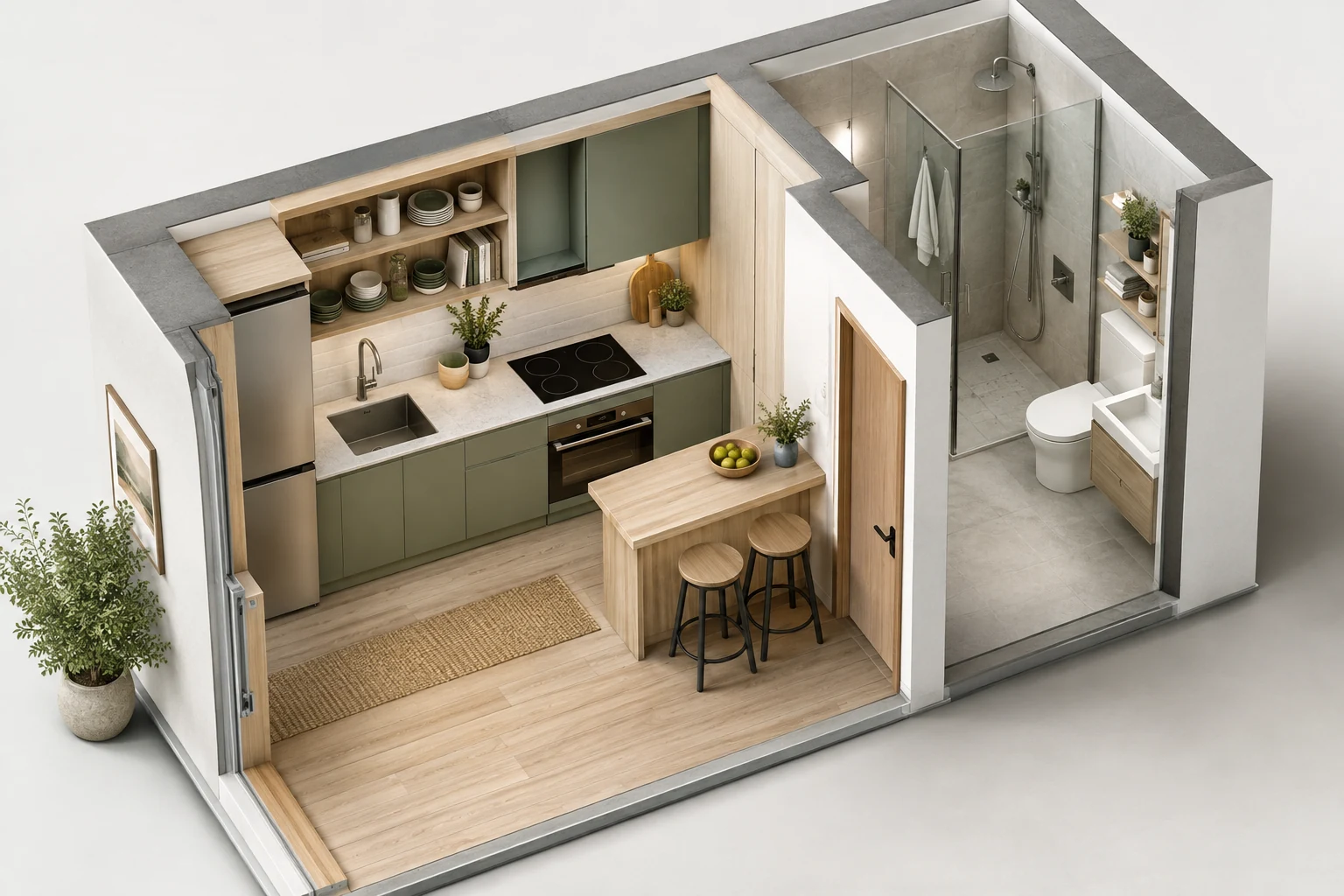
Compare kitchen flooring by appearance, daily wear and the care you want to perform. Review the proposed product with the kitchen's spills and work areas in mind. Discuss the planned work.
When it comes to kitchen flooring, selecting the right material is crucial. Your choice should balance both aesthetics and practicality, creating a space that not only looks great but also stands up to daily wear and tear. At GBC Kitchen and Bath, we offer a wide range of kitchen flooring options that cater to various tastes and functional needs. Here’s a comprehensive guide to help you choose the best flooring for your kitchen.
Kitchen Flooring Options
Hardwood Flooring

Pros:
- Timeless Appeal: Hardwood flooring brings a classic, elegant look to any kitchen.
- Longevity: With proper maintenance, hardwood can last for decades.
- Warmth: It adds a natural warmth and coziness to your kitchen space.
Cons:
- Maintenance: Requires regular upkeep, including refinishing and sealing.
- Susceptibility to Moisture: Prone to water damage if not properly sealed.
- Cost: Ranges from $6 to $12 per square foot, which can be on the higher end.
Tile Flooring

Pros:
- Durability: Highly resistant to scratches, stains, and water, making it ideal for high-traffic areas.
- Versatility: Available in various materials like ceramic, porcelain, and stone, offering a wide range of styles.
- Easy Maintenance: Simple to clean and maintain over time.
Cons:
- Cold and Hard: Tile flooring can be cold underfoot and unforgiving if you drop something.
- Grout Lines: These can stain and may require regular cleaning.
- Cost: Varies widely from $3 to $15 per square foot, depending on the material.
Vinyl Flooring

Pros:
- Affordability: One of the most budget-friendly options, with costs ranging from $2 to $7 per square foot.
- Style Variety: Can mimic the look of more expensive materials like wood or stone.
- Water Resistance: Highly resistant to water and easy to clean.
Cons:
- Durability: While durable, vinyl doesn’t have the longevity of other materials like tile or hardwood.
- Environmental Impact: Vinyl is less eco-friendly compared to natural materials.
- Appearance: Some vinyl may look less authentic compared to the materials it mimics.
Laminate Flooring

Pros:
- Cost-Effective: Generally less expensive than hardwood or tile, ranging from $2 to $8 per square foot.
- Ease of Installation: Often designed for easy installation, sometimes as a DIY project.
- Variety: Available in various designs, including wood and stone looks.
Cons:
- Moisture Sensitivity: Not as water-resistant as vinyl or tile, which can lead to warping if exposed to moisture.
- Repair Challenges: Difficult to repair if damaged, often requiring replacement of entire sections.
- Sound: Can be noisy underfoot without proper underlayment.
Cork Flooring

Pros:
- Comfort: Soft and comfortable underfoot, reducing strain during long periods of standing.
- Eco-Friendly: Made from renewable resources, making it a green choice.
- Insulation: Offers good thermal and acoustic insulation.
Cons:
- Durability: Can be prone to scratches and dents, especially in high-traffic areas.
- Water Sensitivity: Needs proper sealing to prevent water damage.
- Cost: Moderately priced, typically between $3 and $8 per square foot.
Concrete Flooring

Pros:
- Durability: Extremely durable and can withstand heavy use.
- Modern Aesthetic: Offers a sleek, contemporary look, especially when polished.
- Low Maintenance: Easy to clean and maintain over time.
Cons:
- Hard and Cold: Concrete can be uncomfortable to stand on for long periods and feels cold underfoot.
- Installation: Professional installation is often required, which can increase costs.
- Cost: Ranges from $2 to $6 per square foot, but finishing and staining can add to the expense.
Choosing the right kitchen flooring is essential to creating a space that suits both your lifestyle and design preferences. Whether you opt for the timeless beauty of hardwood, the durability of tile, or the affordability of vinyl, GBC Kitchen and Bath has the perfect solution for you. Each kitchen flooring option comes with its own set of pros and cons, so take the time to consider what will work best for your home.
Give the flooring comparison a kitchen-use checklist
Describe where traffic and spills occur and which cabinet or countertop finishes will meet the floor. Compare the proposed flooring products against that list before selecting the color. Ask about the specific finish and care routine so the discussion does not end at the material category.
What practical needs should guide kitchen flooring selection?
Daily wear, spills and care needs should guide the selection. Compare them with the proposed product before choosing its appearance.
Which room finishes should accompany the flooring sample?
Compare cabinetry and countertops beside it. Review the visual relationship while keeping the kitchen-use checklist in view.
Related planning references
Ask which proposed flooring and finish suit the kitchen application, then keep their instructions alongside the cabinet and counter samples. For kitchen floor and finish suitability, consult EPA material and finish selection and EPA remodeling work practices.
Ready to start your project?
Free consultations, no obligation, and design experts at four DMV showrooms.
Get a free estimate