Clarksville is an unincorporated community in western Howard County, organized around the interchange where Route 108 meets Route 32. The Census Bureau does not count it as a place of its own, so there is no official Clarksville population figure. People use the name for the community along Clarksville Pike and for much of River Hill, the last village built in Columbia. That overlap is what shapes a remodel here: a 1990s planned village with its own architectural review sits beside larger parcels where the county’s rules are the only ones that apply.
Getting your bearings
- Route 108 (Clarksville Pike) is the main road through the community. It runs east toward Columbia and west toward Montgomery County, and it is where Clarksville Commons and most local businesses sit.
- Route 32 meets Route 108 at a diamond interchange. Going east it becomes the Patuxent Freeway, a direct link toward Columbia and Route 29.
- Trotter Road is the spine of River Hill, and the village is bounded by Route 108 and Route 32.
- Clarksville Commons is a mixed-use shopping center on Clarksville Pike, a common landmark for giving directions.
- Middle Patuxent Environmental Area is roughly 900 acres of protected land beside River Hill. It is the reason the village has more open space than any other in Columbia.
- Schools that families use as local reference points: Clarksville Elementary, Pointers Run Elementary, Clarksville Middle and River Hill High.
River Hill: Pheasant Ridge and Pointers Run
River Hill was the final village in James Rouse’s Columbia plan, with residential construction starting in 1990. It has two neighborhoods, Pheasant Ridge and Pointers Run, home to about 6,500 residents. The village is built around open space instead of apartments: the county zoning board cut the planned apartment acreage to 33 acres, and it shows in the lower density. Street names draw on the poems of Walt Whitman and James Whitcomb Riley, which is a quick way to tell you are in River Hill and not in an older part of Clarksville.
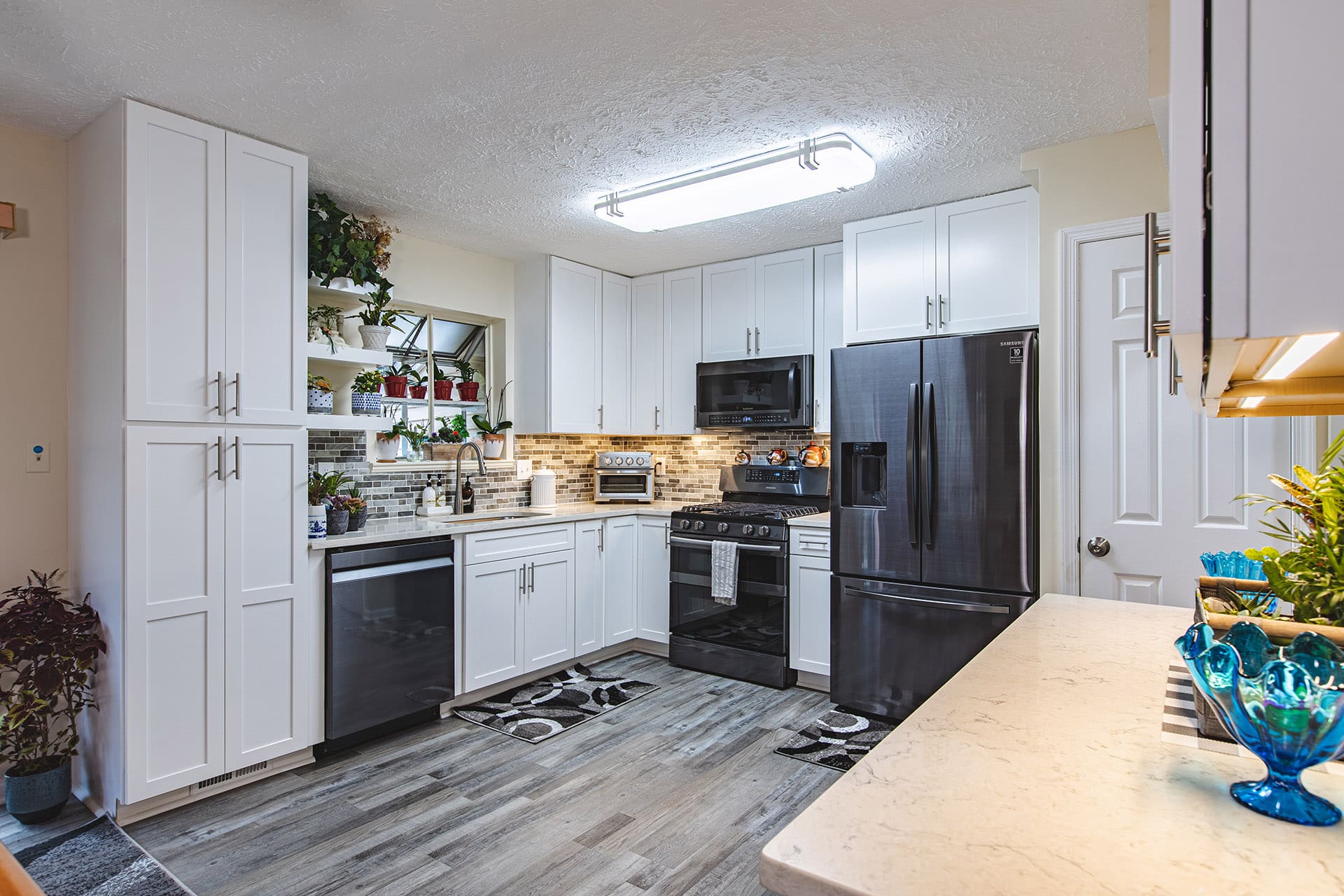
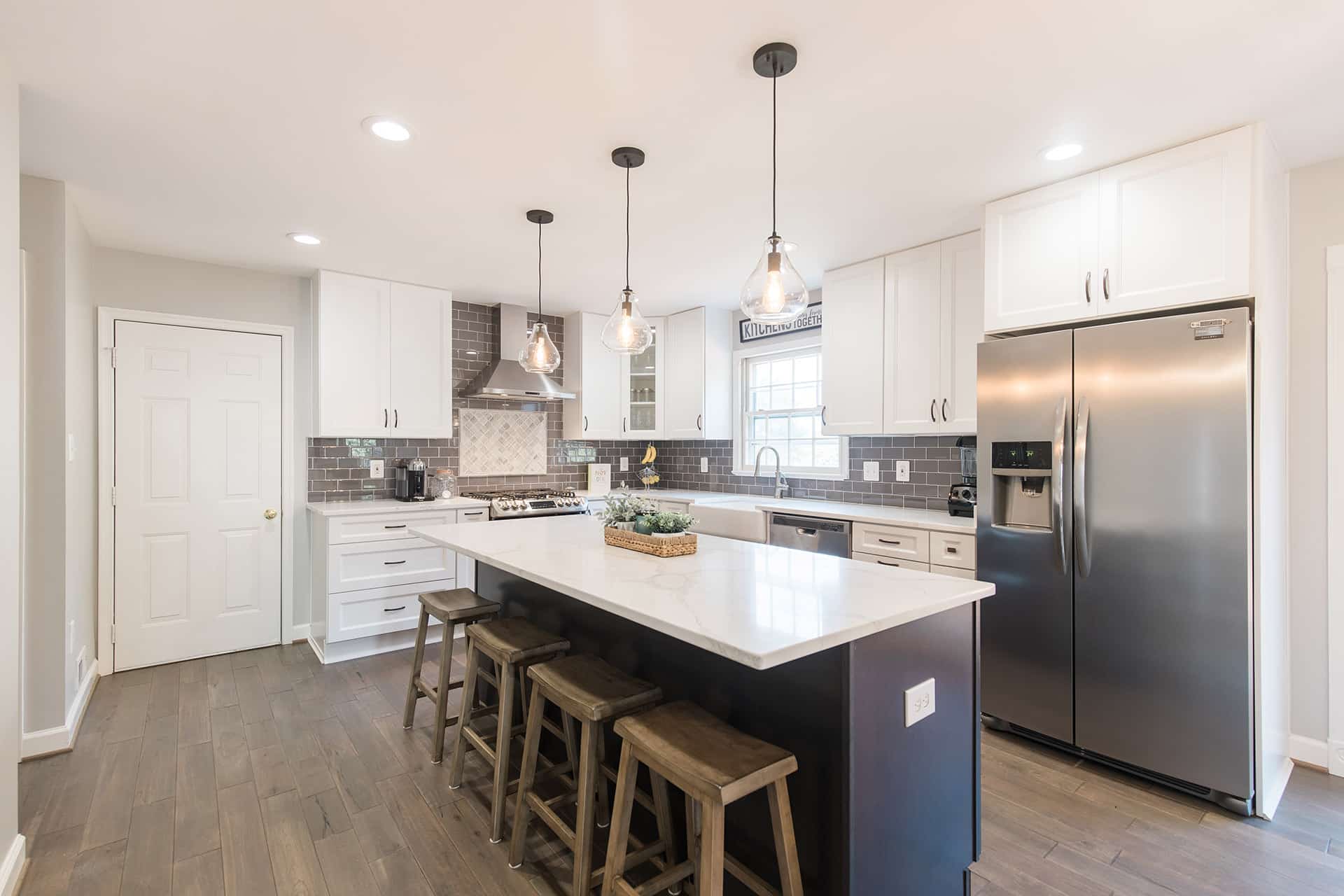
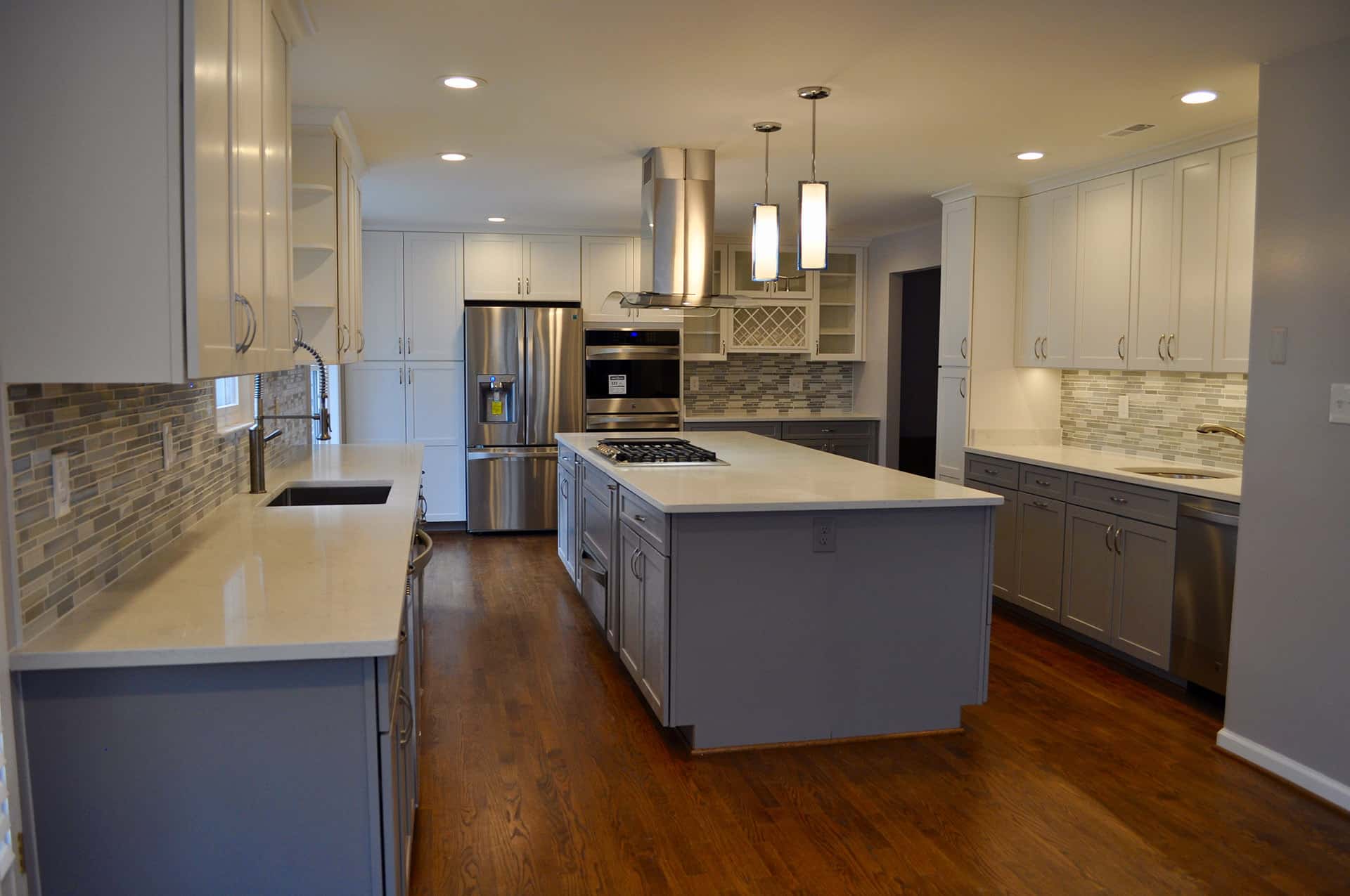
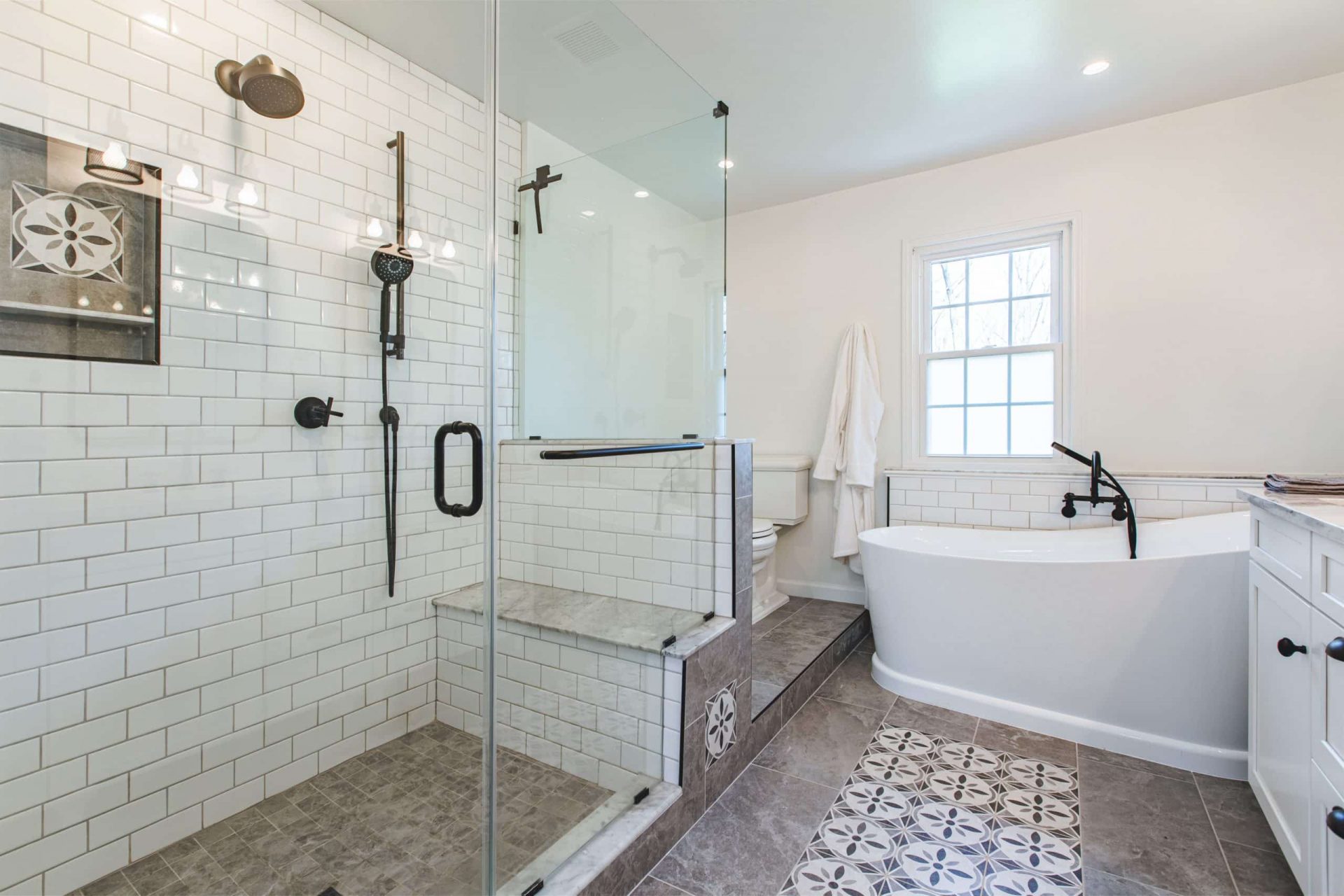
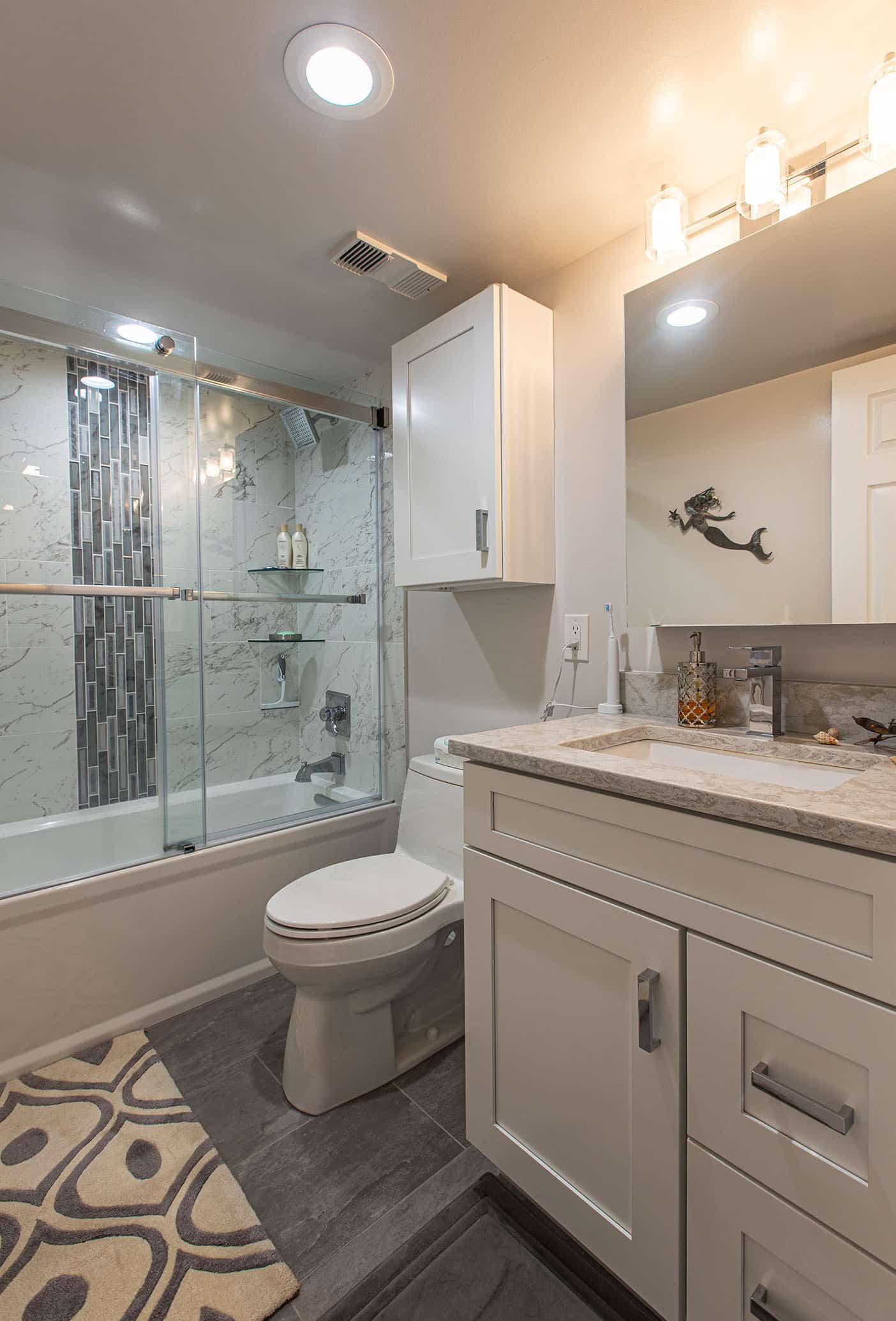
For remodeling, the date matters more than the scenery. Homes finished from the early 1990s onward now have kitchens and bathrooms that are 25 to 35 years old. The usual pattern is builder-grade cabinetry, laminate or early granite counters, and a layout that worked then but feels closed off now. These are structurally modern houses, so most projects are pull-and-replace work rather than surprises behind the walls.
Beyond the village
Outside River Hill, Clarksville mixes older homes and larger parcels along the Route 108 and Route 32 corridor. Older farmhouses here can carry decades of additions, so ask for a wall-by-wall look at the electrical panel and plumbing before a design is locked. If your property is outside the public sewer area, your septic system affects how many fixtures you can add, so raise it at the first conversation.
What is different about remodeling in Clarksville
Village architectural review. If you live in River Hill, exterior changes on Columbia Association-assessed property can need village architectural committee approval. Interior work generally does not, but a new exterior vent for a range hood, a window or a door can. Our Howard County guide explains how the review sits alongside county permits.
County permits. Building, electrical and plumbing permits come from the Howard County Department of Inspections, Licenses and Permits. We prepare the application and coordinate inspections on our projects.
Lead-safe rules usually do not apply in River Hill. Because construction began in 1990, the EPA’s pre-1978 lead rule is mostly a question for older homes along the pike, not the village.
Your showroom
The Columbia showroom at 9204 Berger Rd is about 15 minutes from Clarksville. You can compare cabinet doors, countertop slabs and tile in person before committing to a design. For a deeper read on what a Clarksville kitchen involves, see our Clarksville kitchen remodeling guide, or go straight to kitchen remodeling in Clarksville and bathroom remodeling in Clarksville.